



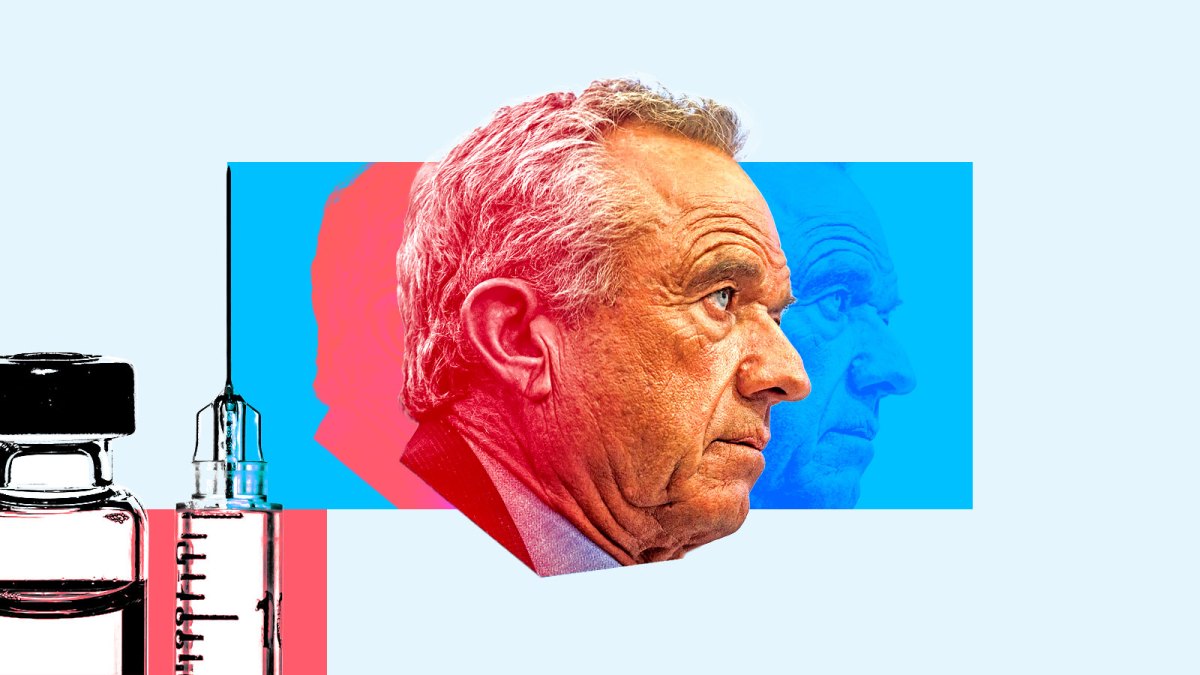
The article details a climate of fear and dysfunction within the Centers for Disease Control and Prevention (CDC) following the appointment of Robert F. Kennedy Jr. as health secretary. Since his appointment, over 10,000 experienced staff have been fired, leading to feelings of anxiety and a culture of secrecy among the remaining employees. Many avoid Zoom meetings fearing surveillance, and physical offices are used for sensitive discussions.
Kennedy’s administration is accused of disrupting scientific norms and canceling research programs, particularly those deemed “woke.” Insiders report chaos within CDC, FDA, and NIH, warning that public health may suffer due to the erasure of decades of work dedicated to chronic disease prevention and the mass firing of knowledgeable personnel.
Kennedy’s significant reforms include radical changes to vaccine policy, which have sparked controversy. He dismissed all members of the Advisory Committee on Immunization Practices, claiming conflicts of interest, and appointed new advisors who align with his anti-vaccine views. Critics express concern that vital vaccination programs are being politicized and undermined.
Additionally, key health programs, such as lead-poisoning prevention, have been shuttered, significantly jeopardizing public health. Despite a wide consensus on the need to improve health outcomes, many fear Kennedy’s focused reforms are detrimental, leading to a lack of clarity and increased bureaucracy within health operations.
Amidst these upheavals, there is speculation about who truly runs the nation’s health initiatives, with some pointing to another Trump appointee, Russell Vought, as wielding more influence. The article concludes by highlighting the profound anxiety and disbelief of workers forced to navigate this chaotic environment under Kennedy’s leadership, raising alarms about the long-term consequences for public health in the U.S.
