



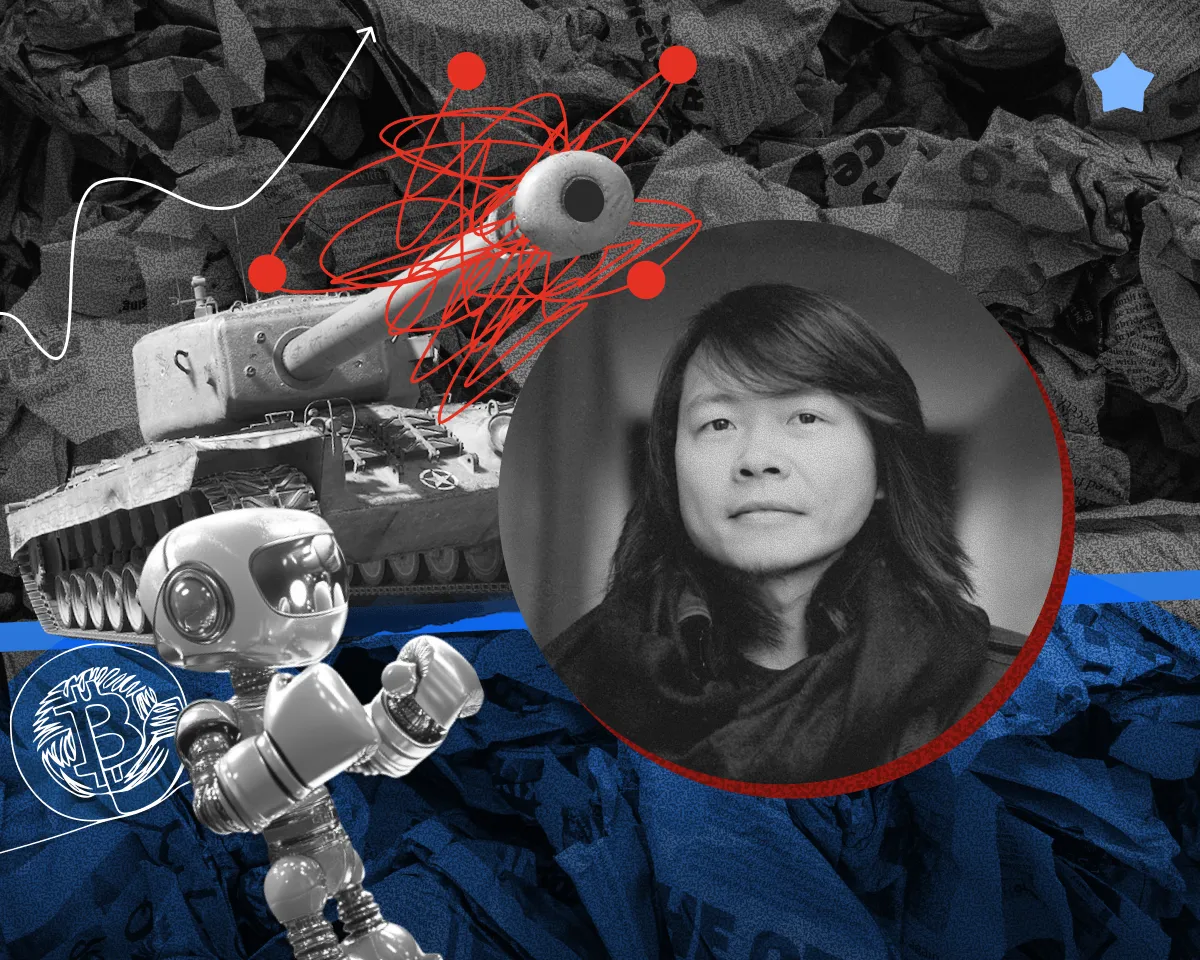
Yuk Hui advocates for “technodiversity” and “planetary thinking” as alternatives to nationalist technology and “ethical AI.” In his work, Hui emphasizes the need to move beyond modern nation-states, which are trapped in cycles of economic and military competition, and to develop a coexistence framework that addresses ecological crises.
Hui critiques the Western philosophical framework surrounding technology, arguing it enforces a global “disindividuation” that suppresses cultural diversity and uniqueness. He asserts that technologies must be integrated into local cultural contexts, fostering multiple “cosmotechnics” rather than adhering to a single, dominant Western logic.
He positions individuation—the unique coupling of human experiences with technology—against disindividuation, which reduces individuals to mere consumers within algorithmic systems. Hui warns that while “ethical AI” aims for betterment, it cannot change the fundamental logic of technology derived from Eurocentrism and often perpetuates oppressive frameworks.
Critically engaging with decolonial theories, Hui believes they still operate within a modernity framework, failing to address the ontology of technology. He calls for a focus on plurality in technologies and philosophical approaches, contending that this “technodiversity” is essential for genuine transformation.
Ultimately, Hui envisions a future of coexistence among various modes of thought, rejecting the binary of “West versus non-West.” He argues for a post-universalist perspective that enables diverse technological and philosophical frameworks to thrive, positioning himself as a utopian philosopher against state service.
