



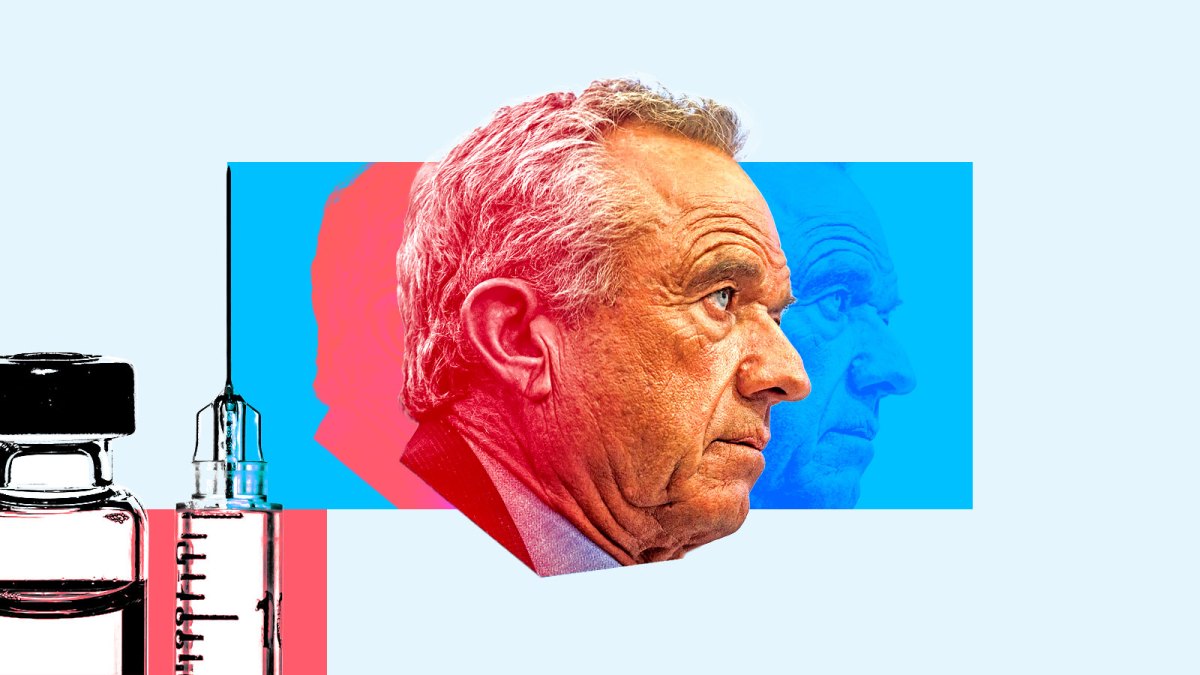
At the CDC’s Building 21, employees are maintaining a low profile due to fears of surveillance and a pervasive culture of anxiety following the appointment of Robert F. Kennedy Jr. as health secretary. Since his appointment, over 10,000 experienced staff have been fired, causing chaos in health policy and research programs. Employees express concerns that Kennedy’s administration, criticized as “anti-science,” is dismantling decades of work in public health, particularly regarding vaccine policies and chronic disease prevention.
Kennedy’s approach has altered priorities—programs aimed at preventing diseases like cancer and lead poisoning have been shut down or marginalized. Moreover, current staff are scavenging for basic supplies due to funding cuts. While Kennedy’s supporters claim that reforms are necessary for efficiency, insiders argue that these changes threaten public health by undermining scientific integrity.
Kennedy’s emphasis on reform, including the controversial firing of the immunization advisory committee, has sparked fears that vital health initiatives are being compromised, leading to skepticism about the future effectiveness of U.S. health agencies. Amidst all this, many employees express a loss of hope, fearing the long-term consequences of these shifts for both American citizens and global health.
