


In winter 1932, amidst the Great Depression, Justice Louis Brandeis noted that the worst had already occurred before the stock market crash. He believed the optimism of the 1920s had lulled the public into complacency and that the Depression would ultimately lead to a re-evaluation of societal myths. Historically, cynicism had hindered civic engagement; it was only when Americans felt outraged and willing to act collectively that real change could take place.
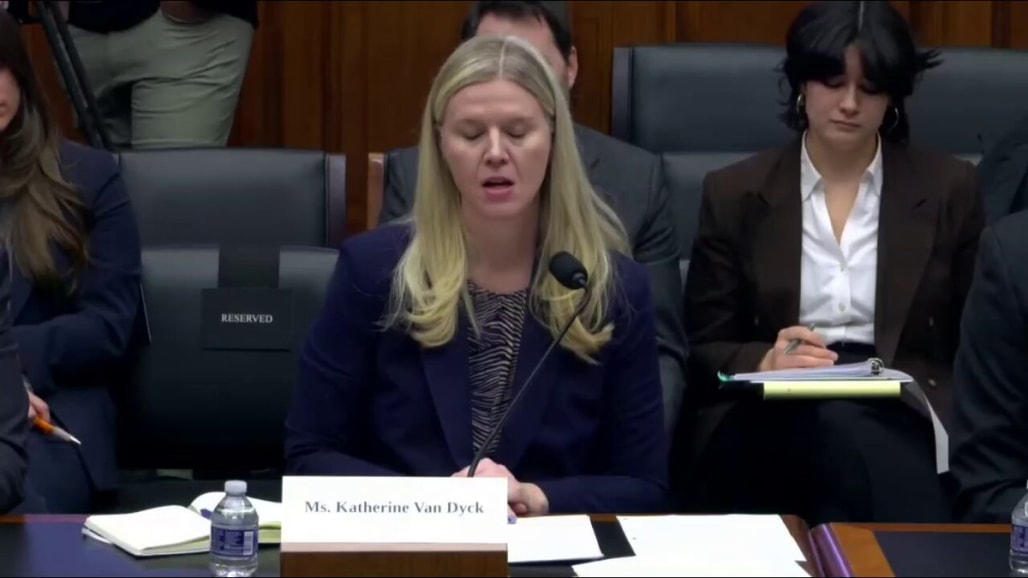
Recently, antitrust lawyer Katie Van Dyck’s testimony to Congress about the exploitation of youth sports by private equity gained unexpected viral attention. Parents are becoming aware of soaring costs associated with youth sports, reflecting a broader discontent with systemic corruption in various sectors, including healthcare and local governance. The public’s growing recognition of this systemic rot signals a potential shift in political consciousness.
Despite deep-seated cynicism, there’s reason for optimism as anti-monopoly discourse is gaining traction in political circles. Issues of market power and affordability are resonating with voters, who increasingly see oligarchs and special interests as exploitative. Movements against corporate consolidation are emerging, indicating a collective push towards accountability and reform.
The political landscapes of both major parties are in disarray, yet there are signs of a budding anti-monopoly ideology that could disrupt the status quo. Awareness of economic injustice, particularly regarding the costs of everyday life, is rallying public sentiment. As voters become increasingly conscious of these challenges, it opens the door for real change in how the economy and democracy function.
