



In 2003, Georgia experienced a democratic breakthrough with the Rose Revolution, moving away from a state socialist regime towards democracy. While public support for Western integration remains high, with 88% favoring EU accession, the country’s democratic trajectory has faltered under the current government, the conservative Georgian Dream (GD) party. Since 2012, GD has centralized executive power, suppressed opposition, and interfered with media and civil society, leading to a characterization of Georgian democracy as only partly free, according to Freedom House.
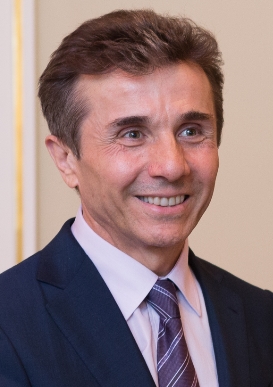
The party is heavily influenced by billionaire Bidzina Ivanishvili, its founder and Honorary Chairman, who has maintained ties with Russia, complicating Georgia’s European aspirations. GD has distanced itself from the EU’s recommendations and values, notably suspending EU accession talks until 2028. Despite the Georgian public’s strong support for EU integration and negative sentiment toward Russia following the 2008 invasion and the Ukraine war, GD has exploited clientelism to secure electoral support in a politically and economically disenfranchised environment.
The October 2024 elections were marred by significant controversy, including voter intimidation and ballot manipulation, which facilitated GD’s overwhelming victory. International observers reported issues compromising the election’s integrity, prompting the European Parliament to call for re-elections. The opposition has begun boycotting parliament as GD pushes restrictive legislation against LGBTQ+ individuals, increased violence against dissenters, and maintained its affiliation with Moscow.
Despite public protests and civil society efforts to counter GD’s authoritarian drift, Ivanishvili’s financial influence ensures that real power lies outside official positions within the government.
