



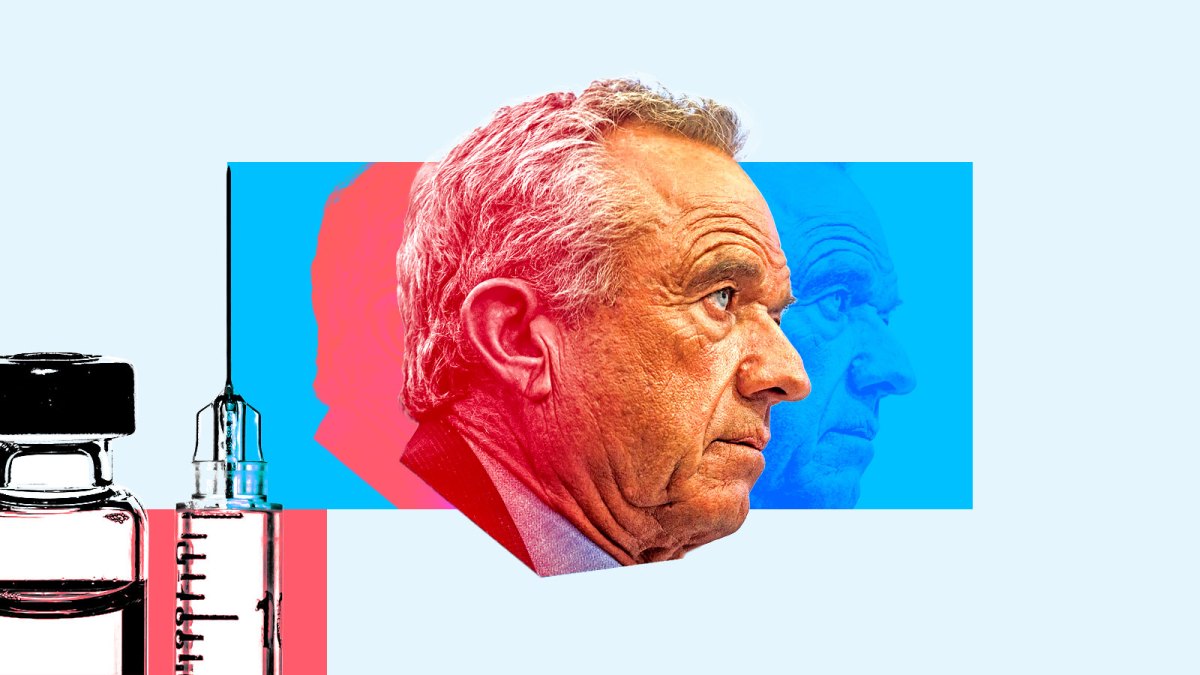
At Building 21 in the CDC headquarters, a culture of secrecy has developed amid fears of surveillance and monitoring under the leadership of Health Secretary Robert F. Kennedy Jr. Since his appointment, over 10,000 experienced staff have been dismissed, leading to significant disruptions in health policy and research programs. Current and former employees describe a chaotic environment, where scientific norms are undermined, and important initiatives—like the lead-poisoning prevention program—are being dismantled.
Kennedy’s controversial agenda, particularly regarding vaccines, has sparked widespread concern. He recently fired all members of the Advisory Committee on Immunization Practices, replacing them with allies and critics of established vaccine science. Insiders warningly note that this politicization of vaccines could result in public health risks, particularly as policies surrounding COVID-19 vaccines become less comprehensive.
Funding shortages have led to staff scavenging for basic supplies, and new bureaucratic hurdles have made grant processes more complex, countering claims that the administration aims to improve efficiency. Despite promises for reform, many at the CDC express a sense of impending disaster for American public health.
With an unclear leadership dynamic within the administration, staff report feelings of anxiety and uncertainty about the future of their work and its implications for public health. Overall, the current environment is characterized by dysfunction, chaos, and an alarming departure from established scientific standards.
