



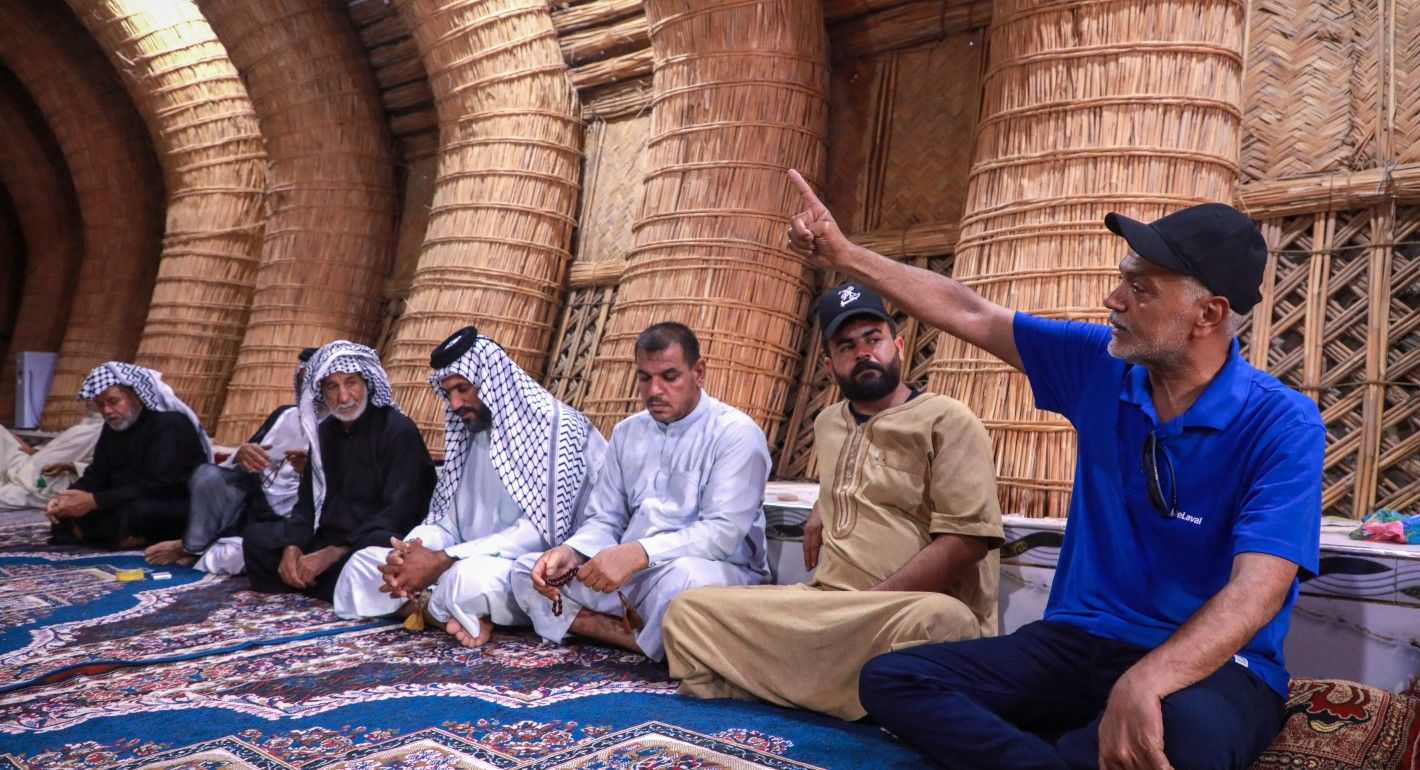
The article discusses climate activism in Iraq and Yemen, highlighting how environmental advocacy can create civic space in authoritarian systems and simultaneously address systemic challenges. In Iraq, activists leverage the perception of climate change as a technical issue to foster limited cooperation with the government, pushing for reforms and international pressure on the state. Notable efforts include campaigns for conservation, youth engagement through Iraq’s National Youth Climate Team, and local environmental initiatives. However, a politicized climate undermines these actions, compounded by systemic issues like the muhasasa political structure, which marginalizes youth and civil society.
In Yemen, the climate crisis exacerbates existing hardships from war and state collapse, with severe droughts, flooding, and water scarcity affecting livelihoods. Local activists fill the void left by a dysfunctional state, organizing grassroots solutions amid significant socio-political obstacles. For instance, after flooding in Aden, youth-led groups launched their own relief efforts that highlighted public frustration with governmental inaction. Despite efforts from civil groups to reframe the national conversation on environmental governance, activism remains risky due to potential backlash from authorities.
The results in both countries illustrate a broader trend: climate activism emerges as a means of resisting ecological harm and asserting community agency in the face of governance failures. The interactions between the climate crisis and political dysfunction shape the landscape of activism, revealing that impactful organizing can thrive even under challenging conditions. This highlights the potential for climate activism in contexts of fragility and instability, where ecological and political vulnerabilities intersect.
