



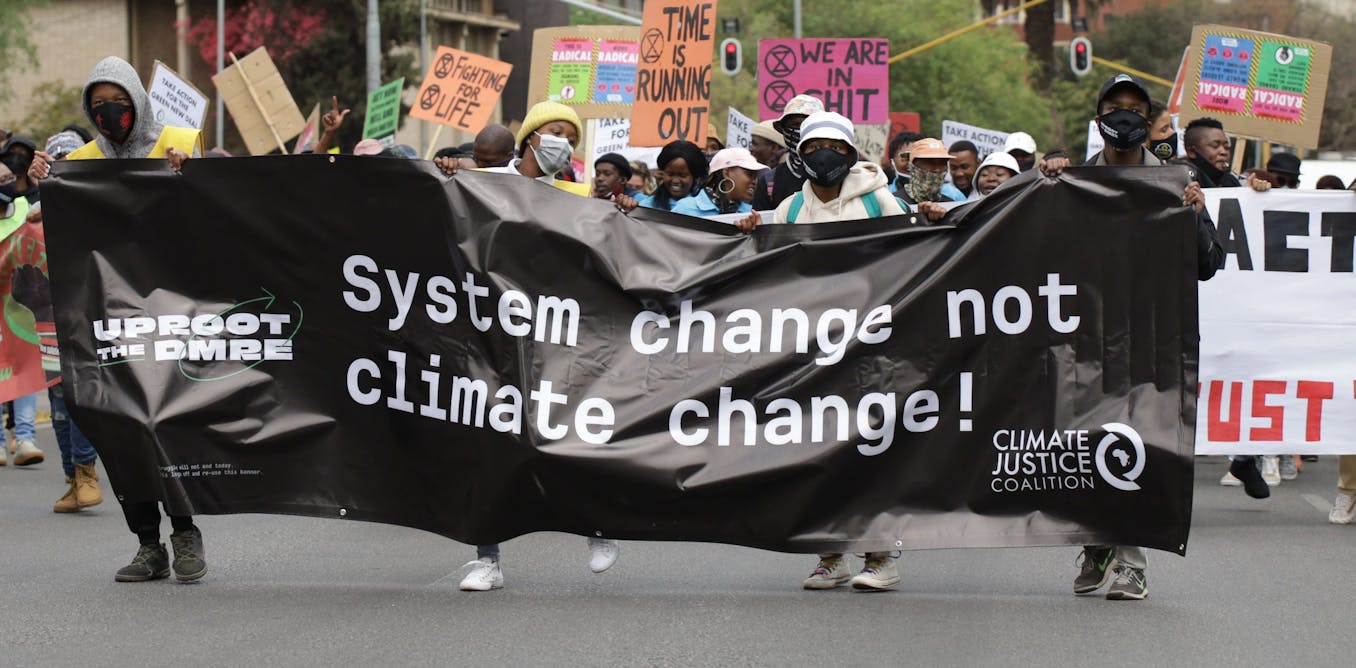
The article critiques the longstanding mantra of “reduce, reuse, recycle” as an inadequate response to the climate crisis. Activists argue that this individualistic approach, often promoted by fossil fuel corporations, distracts from the systemic issues underlying environmental destruction. The majority of emissions come from industrial activities, and focusing on personal consumer choices shifts attention away from necessary structural changes.
The author advocates for a deeper framework that includes three new Rs: Regulation, Redistribution, and Reparations.
-
Regulation involves enforcing strict rules to hold polluting industries accountable, as voluntary corporate pledges have proven ineffective.
-
Redistribution emphasizes reallocating wealth from rich industries to support a just transition and address inequalities, particularly in countries where wealth is concentrated among a small percentage of the population.
-
Reparations acknowledge the historical exploitation underpinning the climate crisis, calling for debt cancellation and financial aid from wealthier nations to support vulnerable communities.
The author concludes that while individual actions are important, they should not overshadow the need for comprehensive systemic change to effectively address the roots of the ecological crises we face.
