



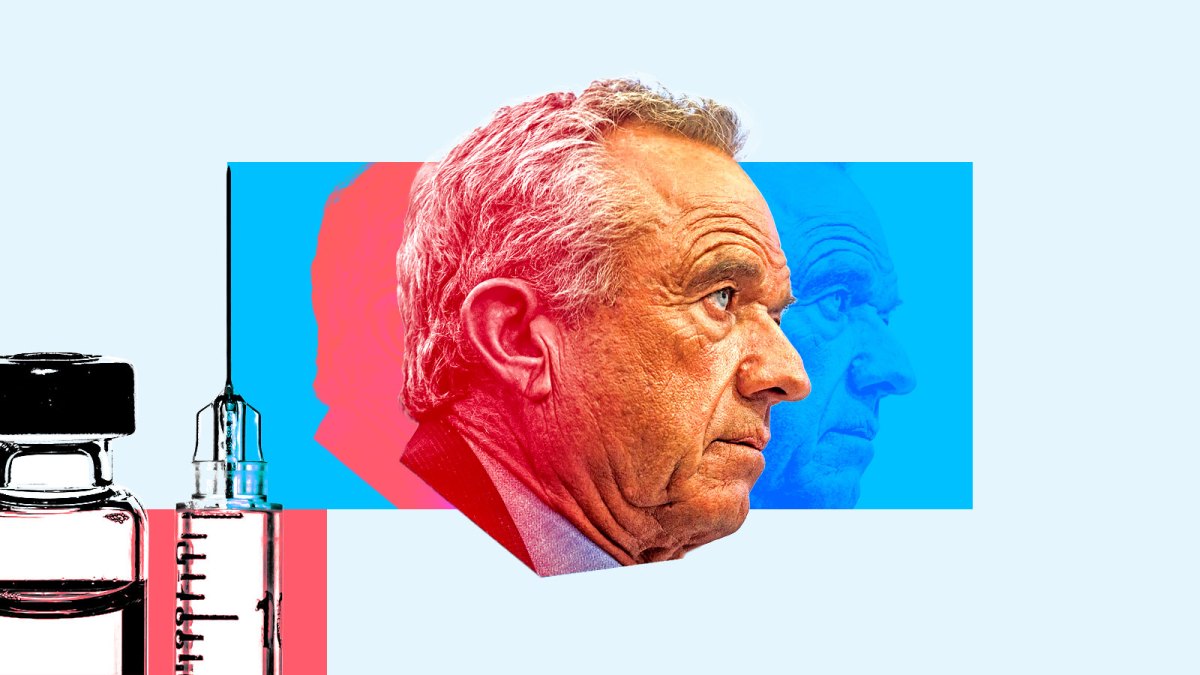
At the CDC headquarters in Atlanta, a climate of fear prevails among employees following the mass firing of over 10,000 staff members since Robert F. Kennedy Jr. was appointed health secretary. Workers avoid Zoom meetings, fearing surveillance, and hold sensitive discussions in soundproof offices. The atmosphere, likened to that of George Orwell’s Nineteen Eighty-four, includes constant monitoring and a sense of being watched by officials from the Department of Government Efficiency (Doge).
Critics describe Kennedy’s leadership as chaotic and detrimental to public health, with longstanding research programs being canceled under the banner of “wokeness.” Employees report a significant decline in resources, with some scavenging supplies from the desks of terminated colleagues. Kennedy’s recent reforms, especially regarding vaccine policy, have raised alarms among experts who fear the politicization of vaccines could undermine public health efforts.
The closure of crucial programs, including the childhood lead-poisoning prevention initiative, has left states unprepared to tackle pressing health crises. Although Kennedy’s reforms aim to address inefficiencies, insiders claim these changes have instead introduced more bureaucracy, complicating grant processes and further straining resources.
Amid this disarray, questions arise regarding the actual leadership within health agencies, with speculation that other Trump appointees may be steering policy directions. As employees express a lack of confidence in the current administration, there are growing concerns about the long-term implications for American health, both domestically and globally.
