



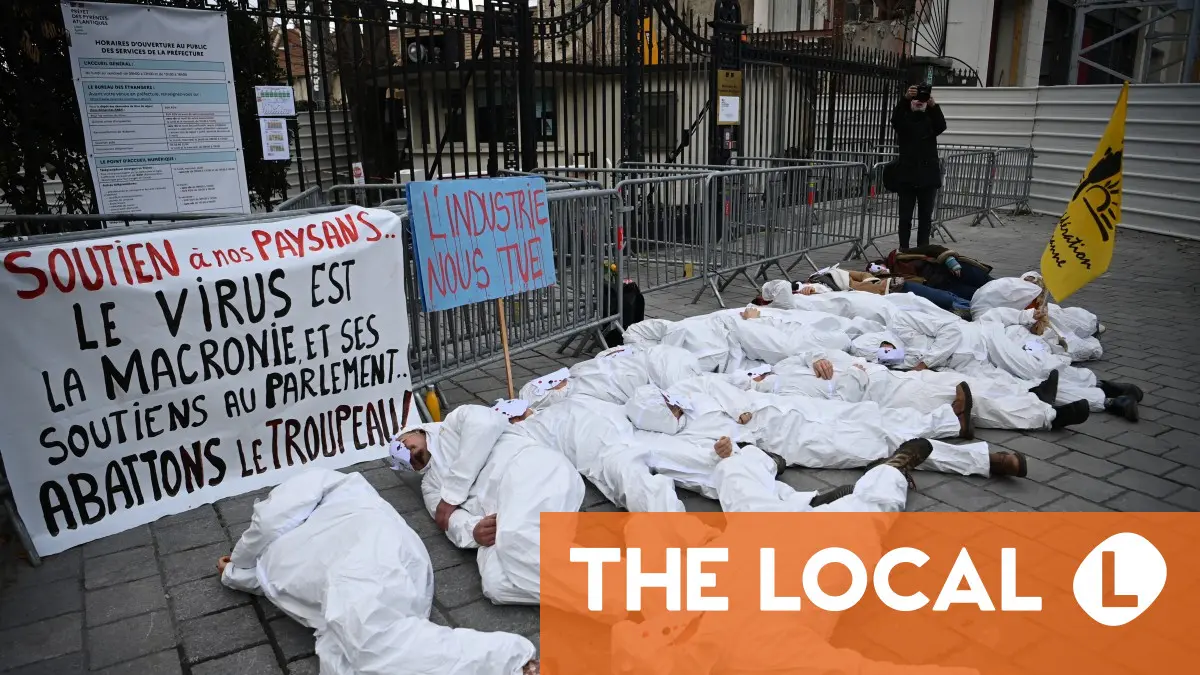
John Lichfield discusses the ongoing Lumpy Skin Disease crisis in France, framing it as more than just a farmer protest—it’s a tragedy for small farmers and a step toward anti-science politics. The disease, which affects cows but cannot be transmitted to humans, has prompted radical farming unions to unite against the government’s policy of slaughtering entire herds to contain outbreaks. Farmers argue this is unnecessary and cruel, given that a vaccine exists.
The government, veterinary professionals, and the largest French farming union support the slaughter as the only effective means to prevent the disease from spreading. They warn that systemic vaccination will take time and could endanger France’s meat exports under EU regulations.
Tensions are heightened by broader grievances, including potential EU trade agreements that threaten local agriculture. Farmers have blockaded major highways and threatened violence against veterinarians involved in the culling. The far-right Coordination Rurale union, which is largely anti-EU and anti-science, has instigated much of this violence. They express skepticism toward climate change’s role in the disease’s spread and propagate conspiracy theories about foreign beef imports.
While the French government compensates farmers for their losses, the emotional toll of losing pedigree animals and local breeds is profound and irreplaceable. Lichfield warns that this rejection of scientific consensus mirrors patterns seen in other areas of society, indicating a troubling trend of anti-science sentiment that could have far-reaching implications. The Lumpy Skin Disease dispute exemplifies a pastoral tragedy and a deeper discontent with perceived elitism and governance.
