



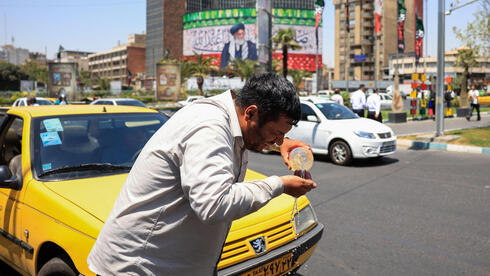
Recent dramatic weather patterns, including heatwaves and flooding, highlight the immediacy of the climate crisis, particularly in Iran. The country is experiencing severe ecological challenges, marked by worsening drought, power and water outages, and hazardous air pollution due to a combination of natural climate shifts and mismanagement. Over the past two decades, Iran’s rainfall has decreased significantly—by about 20%, and up to 90% in recent months—while temperatures have risen nearly twice the global average since the 1950s.
Iran’s population growth and rapid urbanization have increased water demand, compounded by inefficient agricultural practices. Key water reserves are critically low, leading to routine water cuts, disrupted daily life, diminished agricultural output, and an economic impact of rising food prices. This water crisis has also induced an energy crisis, as hydroelectric outputs decline and electricity blackouts worsen.
Groundwater depletion has caused salinization and significant land subsidence, while escalating dust pollution exacerbates air quality issues. The mullah government attributes this ecological disaster to climate change and international sanctions, warning of potential mass evacuations, especially from Tehran.
Forecasts indicate that Iran’s situation will continue to deteriorate, raising concerns about food security and the potential for climate-driven displacement, which might lead to civil unrest.
