



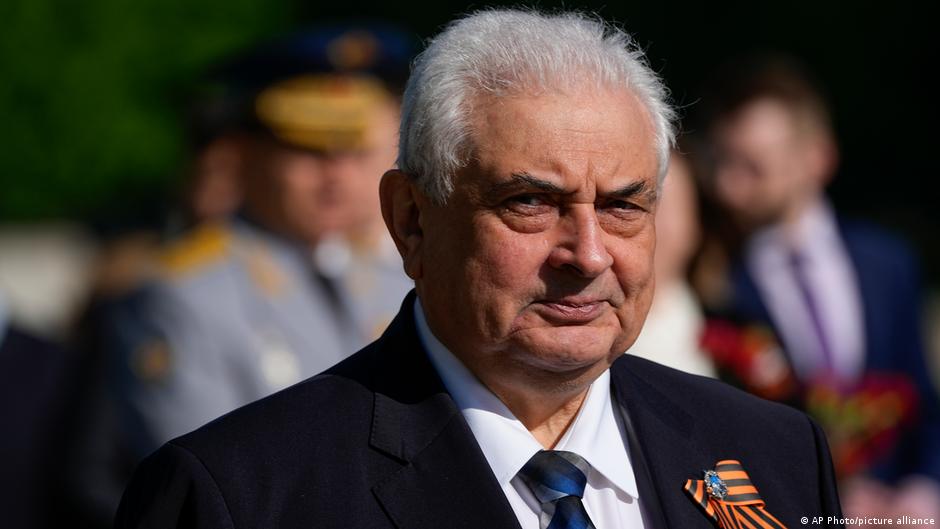
The German Foreign Ministry summoned Russian ambassador Sergei Nechayev following allegations of ongoing Russian hybrid attacks on Germany. Germany has voiced concerns about increasing Russian threats, citing evidence of coordinated actions aimed at destabilizing its internal affairs. Foreign Ministry spokesperson Martin Giese asserted that the intent behind Russian cyber and disinformation attacks is to create societal division, mistrust, and weaken confidence in democratic institutions.
Specific incidents attributed to Russia include a cyberattack on Germany’s air traffic control by the hacker group “Fancy Bear,” linked to the Russian military intelligence service, GRU. Additionally, Germany claimed Russia attempted to influence the recent general election through the propaganda group “Storm 1516,” which spread disinformation targeting candidates.
The Russian Embassy in Berlin dismissed the accusations as “absurd” and “baseless.” The article explains hybrid attacks involve various tactics aimed at undermining states without resorting to direct military conflict, such as hacking, disinformation campaigns, and targeted acts of sabotage.
In response, Germany condemned the actions, initiated countermeasures, and supported new sanctions against those responsible, amid ongoing pressure to halt the war in Ukraine.
