



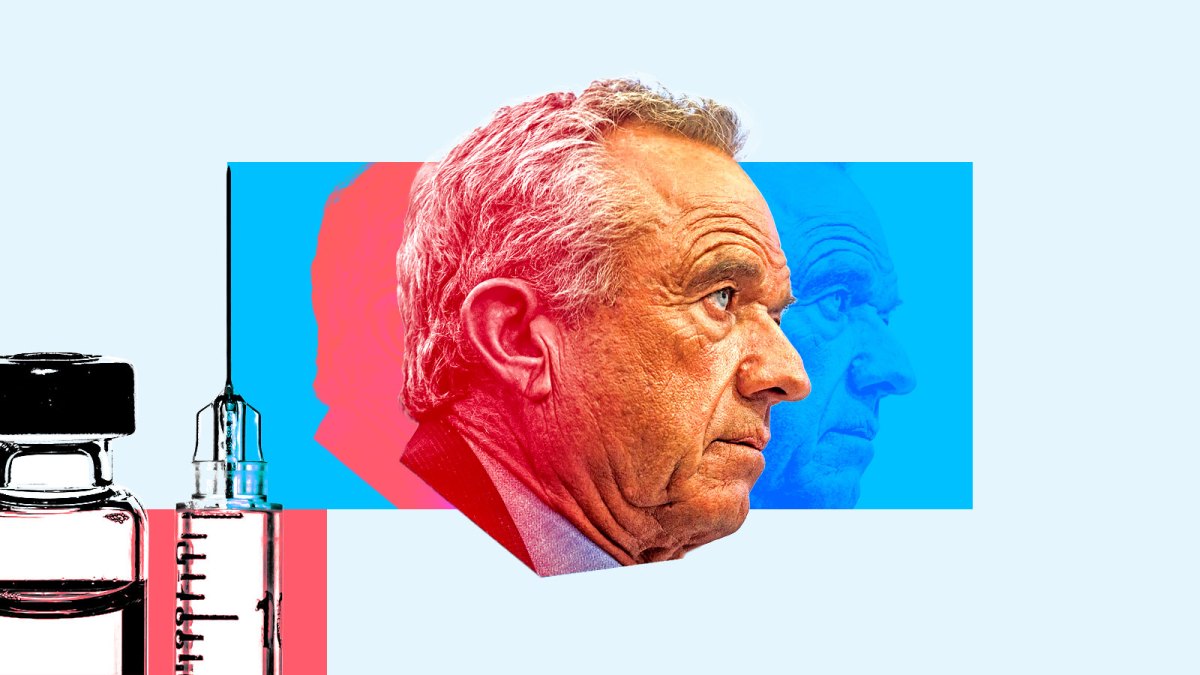
At the CDC headquarters in Atlanta, workers at Building 21 are adopting a culture of secrecy under Health Secretary Robert F. Kennedy Jr.’s administration. Fearing surveillance from officials of the Department of Government Efficiency (Doge), employees avoid Zoom meetings, conduct sensitive discussions in soundproof offices, and take handwritten notes instead of using computers. Since Kennedy’s appointment, over 10,000 staff members have been fired, leading to chaos that has dramatically shifted the agency’s focus and operations.
Critics within the CDC, FDA, and NIH describe major disruptions as longstanding research programs are canceled and scientific norms are upended due to a push for reform seen as lacking scientific basis. As funding dwindles, staff report scavenging office supplies from sacked colleagues. Kennedy’s controversial vaccine policy changes include firing all members of the vaccine advisory group to address alleged conflicts of interest, further politicizing vaccine science, and causing concern among experts about public health impacts.
While Kennedy promotes initiatives aimed at improving health, insiders claim the dismantling of essential programs, like the lead-poisoning prevention initiative, jeopardizes public health. The CDC and FDA are also facing operational challenges due to mass firings and new bureaucratic layers hindering efficiency. Many current and former staff express a deep sense of anxiety and disillusionment, fearing the long-term repercussions of these changes on American health.
