



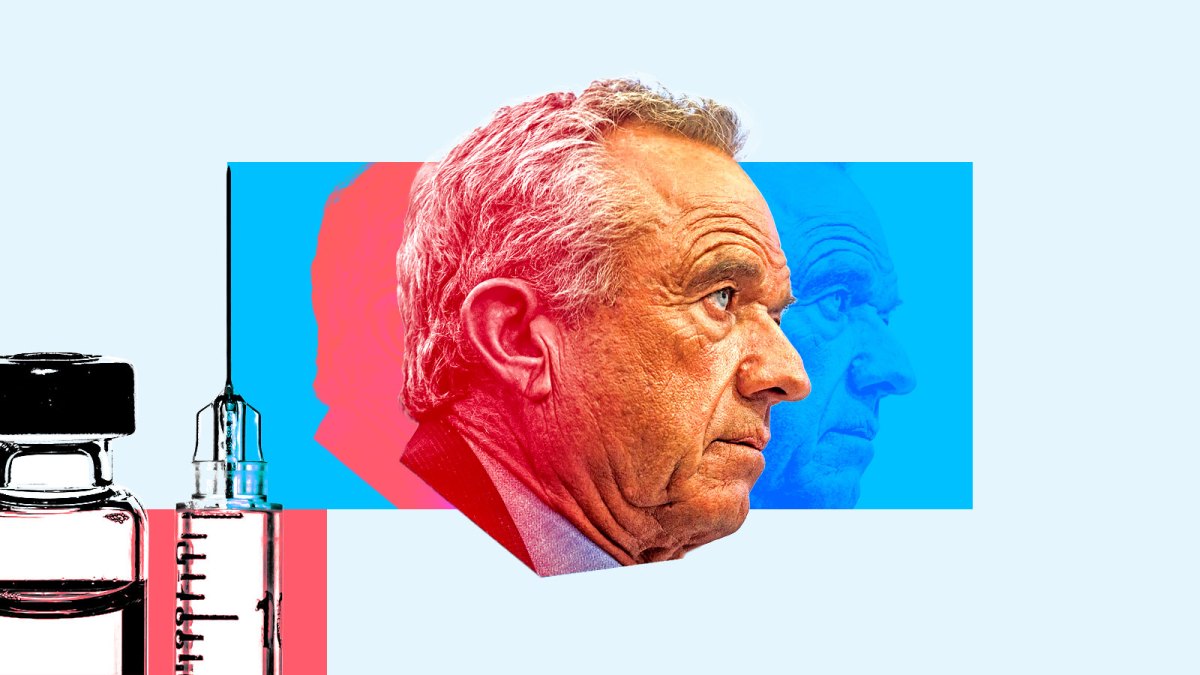
At Building 21 of the Centers for Disease Control and Prevention (CDC) in Atlanta, staff are operating under a cloud of fear and secrecy due to significant changes since Robert F. Kennedy Jr. became health secretary. Following the dismissal of over 10,000 employees, including seasoned experts, remaining staff avoid Zoom meetings and hold sensitive discussions in soundproof rooms, feeling constantly monitored by officials from the newly established Department of Government Efficiency (Doge).
Kennedy’s administration has disrupted longstanding scientific practices, cancelled numerous research programs seen as “woke,” and reshuffled the health infrastructure, leading to chaos and dysfunction among health agencies. Critics argue that his reforms, including firing an entire committee overseeing vaccination policies, politicize health initiatives and undermine public health. This has created a climate of paranoia and anxiety among federal health workers.
While Kennedy’s goals include improving American health through better nutrition and environment, insiders report dismantling critical programs aimed at combating chronic diseases and lead poisoning, further jeopardizing public health. With ambiguous leadership and stifling bureaucracy, many employees are disillusioned, feeling that the ongoing changes threaten both their professional integrity and the well-being of the American public.
