



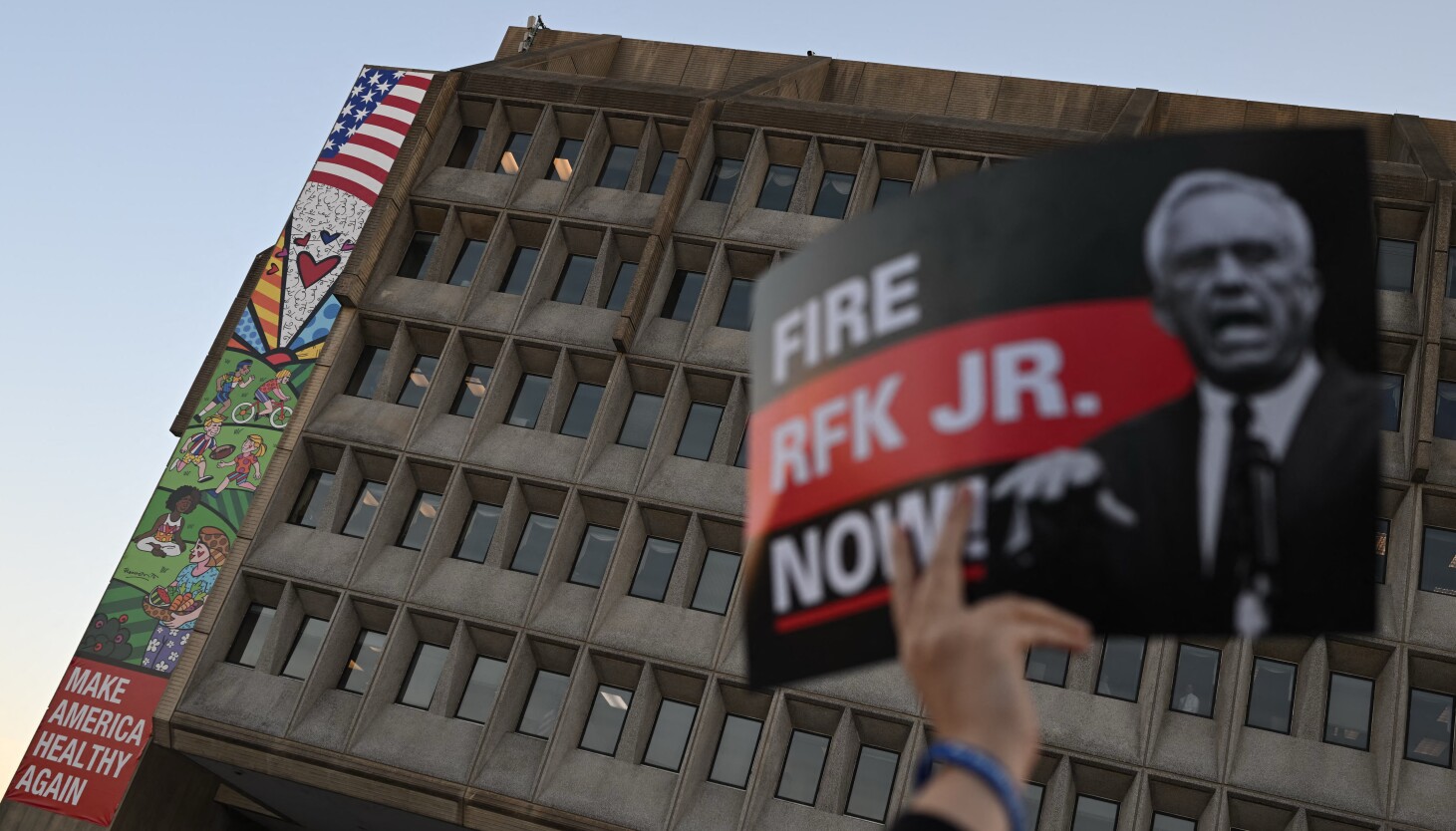
The recent reversal by the U.S. Centers for Disease Control and Prevention (CDC) regarding vaccines and autism exemplifies the ongoing decline of public health infrastructure, particularly affecting children in marginalized South Side communities. With the measles vaccination rate in Chicago Public Schools at only 93%, many vulnerable children are at risk due to lower vaccination rates driven by governmental actions that have dismissed health experts and politicized immunization processes.
The article highlights the harmful psychological impacts of misinformation and disinformation, which have eroded trust between medical professionals and communities, especially in communities of color. Secretary Robert F. Kennedy, Jr.’s actions have further fueled vaccine hesitancy by exploiting parental fears and historical trauma related to vaccines, making routine immunizations a source of anxiety for many caregivers.
The disparities in vaccine hesitancy are pronounced, with well-off communities having more resources to delay vaccinations compared to lower-income communities, where access to healthcare is limited. This growing mistrust in evidence-based medicine could worsen existing healthcare disparities.
To counter these challenges, the article calls for medical providers and community members to actively engage with families, address concerns directly, and enhance educational efforts about vaccinations. The urgent need for collaboration with community health workers and schools is emphasized to rebuild trust and ensure better health outcomes for future generations.
