



In 1921, Egyptologist Margaret Murray coined a theory suggesting the witch trials targeted practitioners of a pre-Christian fertility cult; this idea was later debunked but inspired the creation of Wicca by Gerald Gardner, who combined Murray’s myths with elements of Freemasonry and ceremonial magic. Sociologist Gabriel Rossman notes that beliefs can become “performative,” creating new realities through the actions of believers.
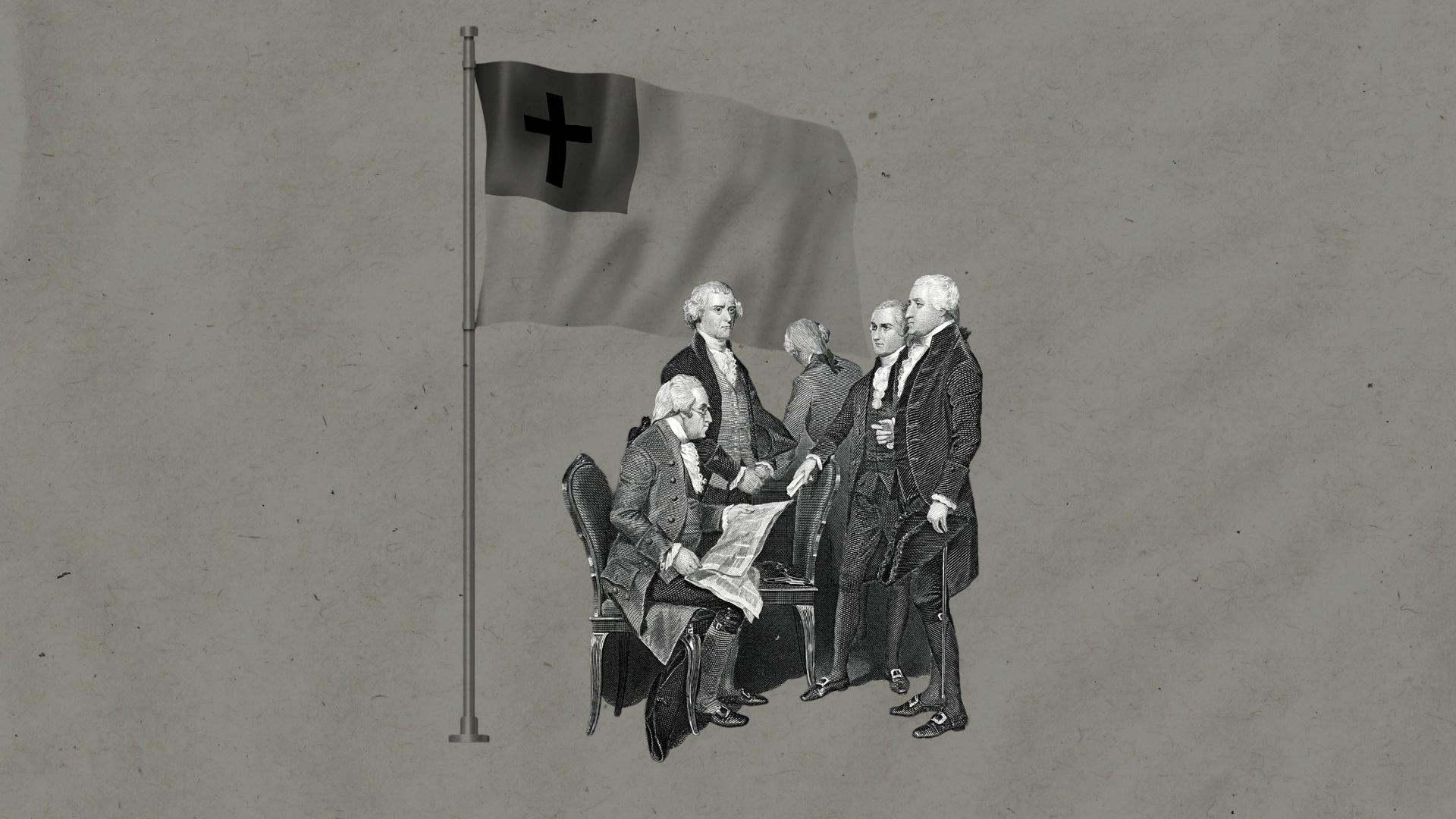
A parallel can be drawn with Christian Nationalism, where figures like David Barton propagate a distorted history of America as an explicitly Christian nation, despite evidence showing the Founding Fathers held diverse and often unorthodox beliefs. This version of American history is largely fictitious, misleadingly portraying a religiously homogenous past.
The term “Christian Nationalism” only emerged recently and has been adopted, often as a badge of honor, by individuals who may be unaware of its associated ideology rooted in nationalism, which divides communities and demands allegiance above other loyalties like family or church. This ideological nationalism conflicts with Christianity’s universalism and the foundational principles of the American Republic, which emphasize individual rights and equality rather than ethnicity or cultural identity.
While some proponents of Christian Nationalism may inadvertently adopt harmful ideologies, there is a path forward that affirms Christianity’s influence in America while rejecting the dangers of nationalism. This includes promoting a healthy patriotism, supporting religious liberty, and recognizing the separate spheres of authority among family, church, and state.
Ultimately, the comparison to Wicca highlights the risk of building a movement on historical inaccuracies. The call is to love the country without idolizing it, to serve Christ without conflating His kingdom with any political agenda, and to focus on sustainable, genuine Christian practices rather than the fleeting allure of power through nationalism.
