



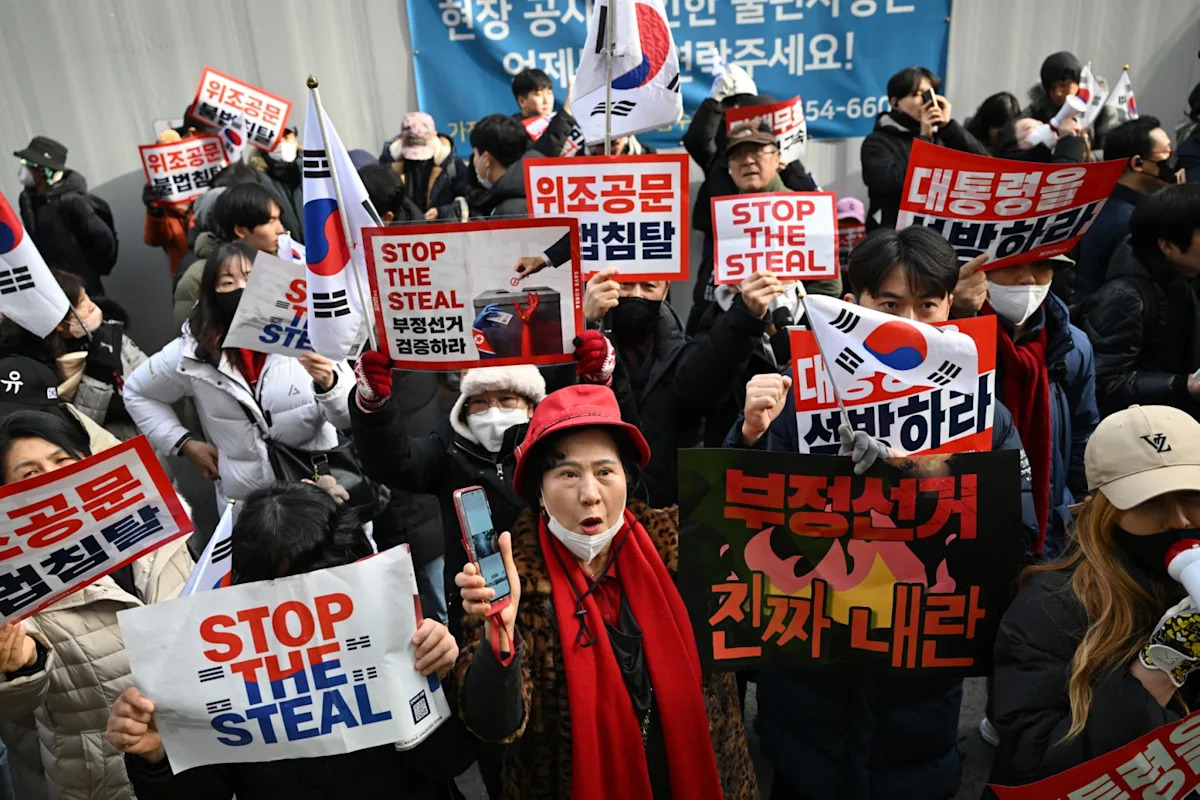
In December 2024, former South Korean President Yoon Suk Yeol’s attempt to impose martial law led to a severe political crisis, marked by his impeachment. Amid chaos, disinformation thrived, with many blaming China for Yoon’s downfall. Right-wing forums, YouTubers, and politicians claimed Beijing infiltrated protests and manipulated online opinion during the snap elections that brought opposition leader Lee Jae Myung to power. Despite these claims, an AFP Fact Check found no solid evidence of Chinese interference; instead, experts attributed the narrative to South Korea’s internal political rivalries and rising anti-China sentiment.
As political tensions escalated, there were baseless allegations of “spy arrests” and online campaigns suggesting a Chinese influence on protests and the judiciary. Rumors surrounding a supposed “Chinese AI bot farm” manipulating Korean opinion were also debunked. Following Lee’s election victory in June 2025, the same anti-China themes resurfaced, misleadingly asserting that Chinese nationals influenced the outcomes. Disinformation shifted toward immigration policies, with unfounded claims about facilitating election fraud by allowing Chinese tourists into the country.
Experts observed that hard-liners, without a focal point like Yoon, turned to anti-China sentiment to rally support, creating a pattern seen in other democracies where external enemies are constructed for political gain. Overall, the situation highlighted how disinformation and propaganda can intertwine with domestic issues, leading to increased polarization and public distrust in institutions.
