



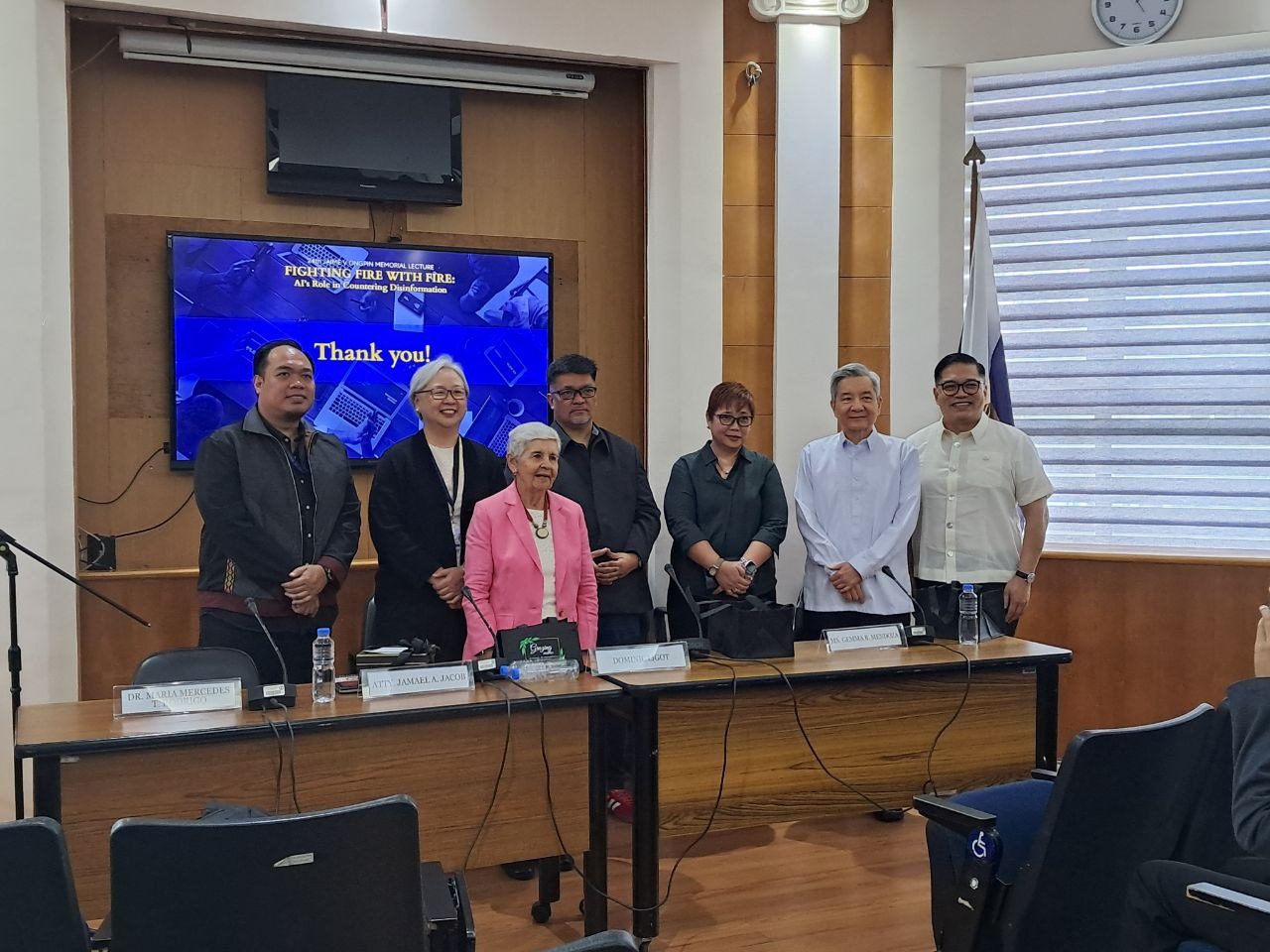
Experts emphasize the need for regulatory policies and a code of ethics governing artificial intelligence (AI) at the 24th Jaime V. Ongpin Annual Memorial Lecture in Manila. Professor Maria Mercedes Rodrigo highlighted how AI can disseminate disinformation and create deepfakes, especially in the context of the Philippines, which has been termed “patient zero” for misinformation, particularly evident during the 2016 elections.
The study enlisted 14 experts from various fields, revealing that AI is primarily used for fraud detection, anti-money laundering, and personalized marketing. Rodrigo called for ethical and safety regulations, stating that users of AI must consider safety, security, and intellectual property issues.
Proposed solutions include establishing a national AI governance framework and enhancing media literacy to combat AI-related disinformation.
A panel discussion featured insights from various experts. Lawyer Jamael Jacob underlined the need for transparency in AI applications, while Dominic Ligot stressed treating deepfakes as immediate threats rather than distant concerns. Gemma Mendoza pointed out the accountability of tech companies in labeling fake content and criticized the profit they derive from deepfakes. She advocated for safeguards that would protect the marketplace of information and culture from exploitation.
The full study is available for free and was funded by the Konrad Adenauer Stiftung Foundation.
