



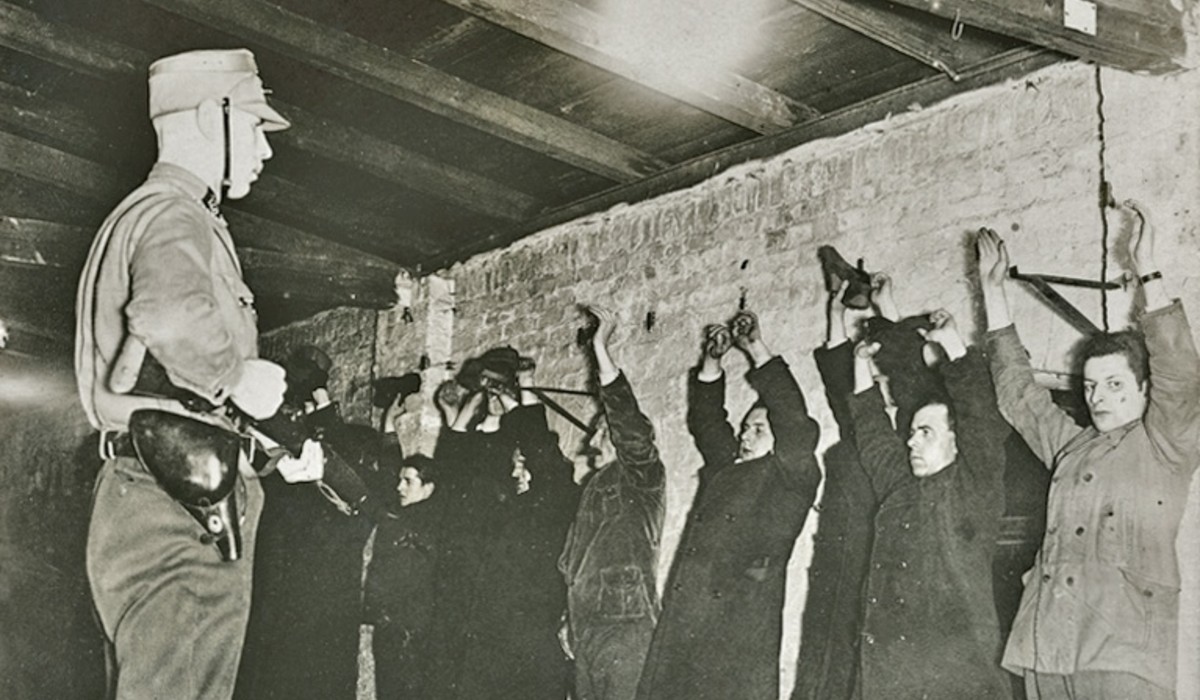
Robert Dale discusses the concept of fascism in contemporary politics, asserting that classic fascism involved a level of violence and organized brutality not currently seen. He critiques the casual labeling of various political figures and parties as fascist, arguing that a precise understanding is necessary to effectively counter them.
Dale outlines the distinct characteristics of fascist formations, notably their autonomous armed groups like the Nazi SA, which targeted the working class and suppressed opposition. He explores the Nazi rise to power in 1933, marked by systematic violence against leftist organizations, leading to total societal control.
He then questions current far-right movements, like Italy’s Meloni and Germany’s AfD, suggesting that despite their disturbing ideologies, they do not entirely fit the classic fascist mold as they lack the autonomous military force characteristic of historical fascism. He emphasizes the need to strategize differently when confronting these groups, advocating for targeted actions against violent extremists while not ostracizing their voters, who may be disillusioned workers.
Dale concludes with a reflection on the relationship between the left and far-right voters, suggesting opportunities for collaboration in shared struggles against neoliberal policies. He cautions against the exploitation of a far-right “boogeyman” by reformist parties, urging the left to engage more deeply with the socio-economic issues affecting ordinary people.
