



The article reflects on the aftermath of Francisco Franco’s dictatorship in Spain, which lasted nearly four decades until his death on November 20, 1975. Following his death, many Spaniards were initially apprehensive about the country’s future, but King Juan Carlos facilitated the transition to democracy, culminating in the first free elections in 1977. Despite this, the scars of Franco’s regime remain evident, as highlighted by his controversial praise in a recent autobiography.
The rise of the far-right Vox party and the emergence of anti-immigrant sentiments indicate ongoing political tensions. The “Transición,” although often viewed as peaceful, was marred by violence, including the assassination of five Communist lawyers in 1977.
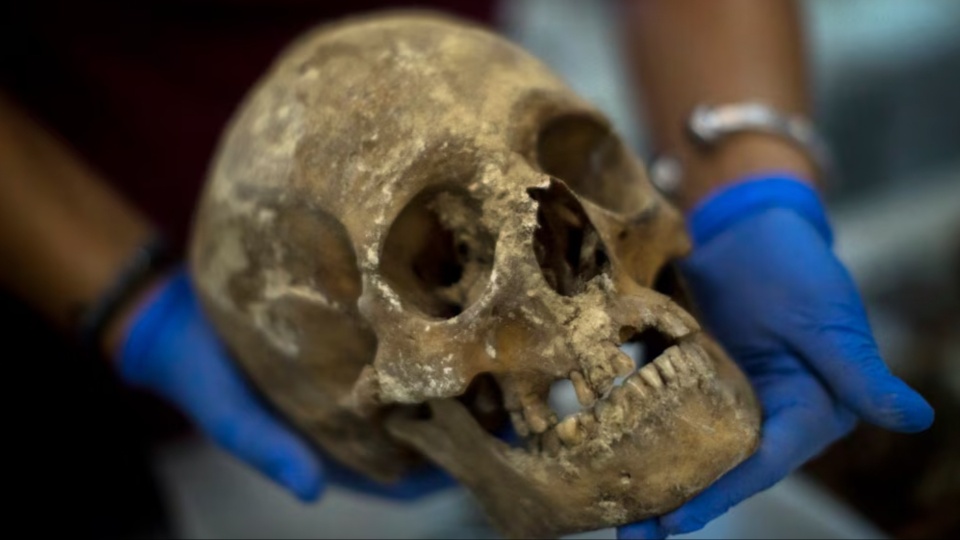
Franco’s regime was responsible for the deaths of over 150,000 people, and his oppressive tactics continued even after the civil war. Though neglected for decades, the topic of Franco’s victims has gained attention, spurring efforts for historic memory recovery, leading to the identification and reburial of many remains.
Recent governments have enacted memory laws and reversed some fascist glorifications, yet opposition from Vox and the Popular Party remains strong. The article emphasizes the societal divide over Spain’s past, revealing an ongoing struggle to confront and reconcile with a history of Fascism and dictatorship.
