


Orwell: 2+2=5 (2024)
This documentary by Raoul Peck focuses on George Orwell’s later years in a Scottish cottage, where he wrote “1984.” Utilizing Orwell’s diary entries, the film explores his views on totalitarianism, weaving together his personal life, political commitments, and literary work. Key motifs include scenes from various adaptations of “1984” and the three slogans of Oceania: “War is Peace, Freedom is Slavery, and Ignorance is Strength.” It juxtaposes Orwell’s critiques with current authoritarian figures such as Putin, Trump, and Bezos, and highlights incidents like the January 6 Capitol assault. The film argues that democracy can sometimes enable fascism, posing a grave risk when it leads to the rise of a dictator under democratic pretexts.
Riefenstahl (2025)
Andres Veiel’s documentary examines Leni Riefenstahl, a filmmaker whose works like “Olympia” and “Triumph of the Will” exemplified how fascism could produce compelling art. Riefenstahl’s denial of her complicity with Nazi leaders and her rationalizations for not opposing Hitler are scrutinized. The film asserts that her artistic vision aligned with fascist ideology, showcasing her influential role in the Nazi propaganda machine. It reflects on how artists and philosophers played critical roles in shaping Nazi counterrevolutionary sentiment, exposing their disdain for “normal” politics and presenting a dangerous fusion of aesthetics and ideology.
From Weimar to War (2025)
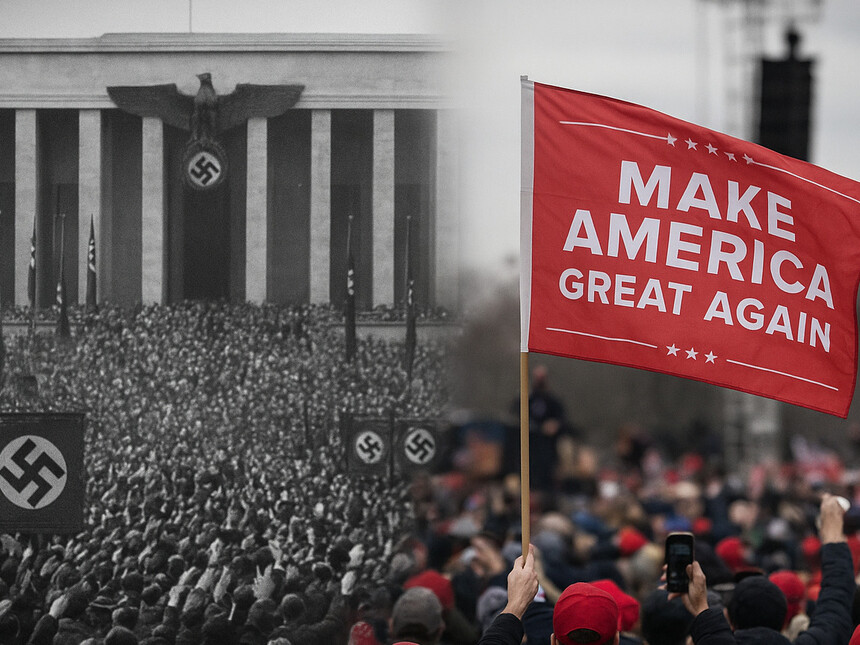
Directed by Nick Randall, this documentary traces Germany’s precarious transition to dictatorship after World War I, emphasizing the detrimental effects of the Treaty of Versailles. Although it cites economic factors, it accentuates Hitler’s personality traits—his charisma, ruthlessness, and timing—that facilitated his rise to power. The film draws parallels between the Weimar Republic and contemporary America, particularly in the context of Trump’s rhetoric to “make America great again.” It discusses the scapegoating of immigrants and the increasing allure of violence in politics. The documentarian expresses concern that the US may follow a similar trajectory as Germany’s Weimar democracy, with an urgent call to action before it’s too late.
