



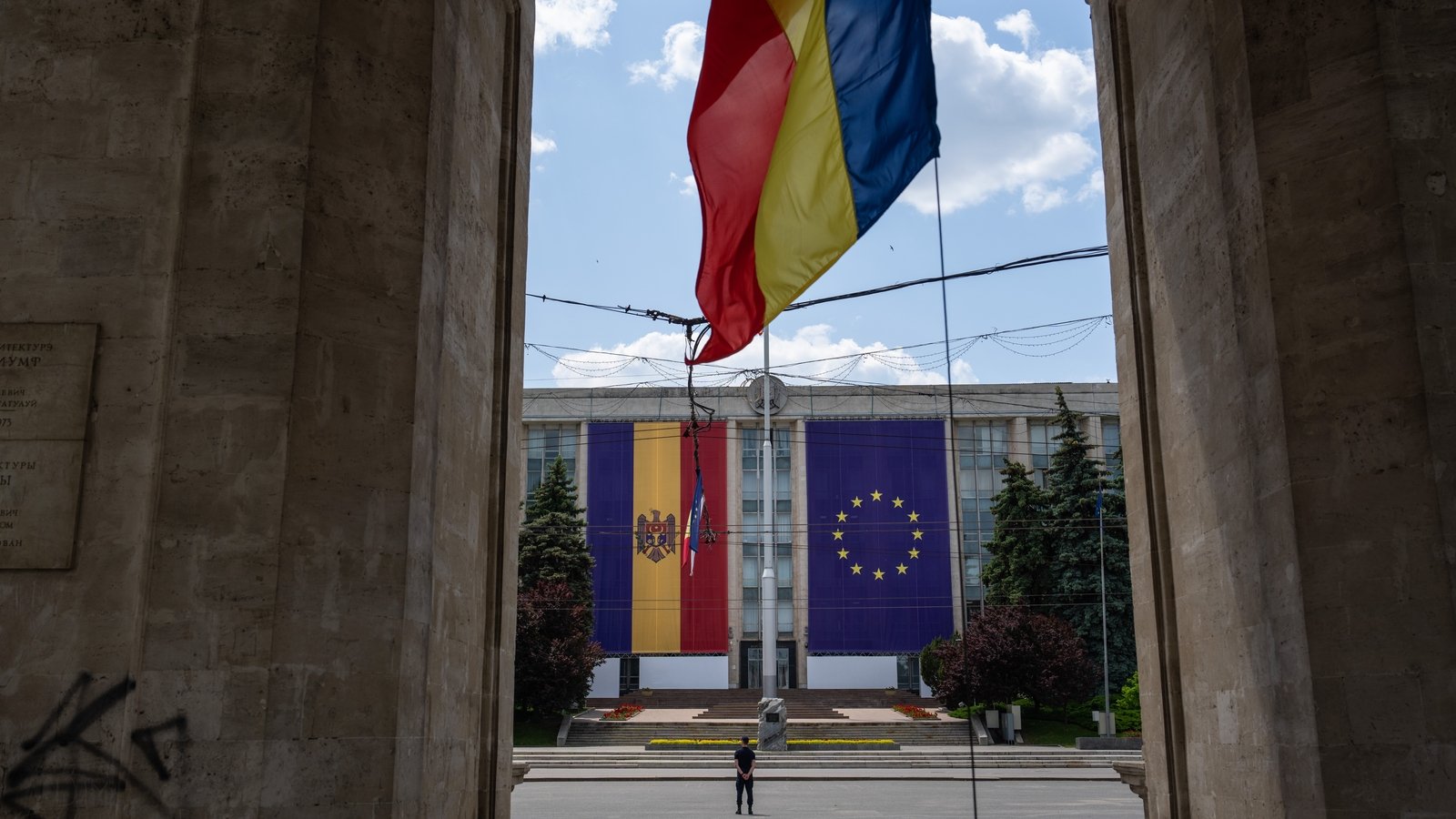
In September 2024, a group of Moldovan clerics returned from an event in Moscow hosted by the Russian Orthodox Church, where they received bank debit cards loaded with amounts reaching $1,200. They were expected to set up social media channels promoting anti-EU messages in Moldova, resulting in the creation of nearly 90 Telegram channels broadcasting daily hostility towards EU membership. This was part of a broader Russian effort to influence the parliamentary elections scheduled for September 28, amidst allegations of electoral interference. Though President Maia Sandu’s pro-Western party won just over 50% of the vote, the extensive Russian interference complicated the launch of the EU Democracy Shield, intended to bolster democratic resilience in candidate countries against hybrid threats.
The EU’s Democracy Shield, announced by Commissioner Michael McGrath, aims to better equip systems to address foreign interference. Yet, critics dismissed it as merely rebranding existing initiatives without tangible changes. Concerns were raised about the EU’s inability to confront internal threats, including actions by political parties within member states themselves. A Moldovan government report claimed that Russia had been planning disinformation strategies for a year, aiming to support pro-Russian parties and create governmental instability in Moldova.
Russian tactics included establishing troll farms, utilizing cryptocurrencies, and engaging in a barrage of cyber-attacks. The Moldovan police reported that a significant portion of election disinformation on TikTok was AI-generated. With the recent launch of the Democracy Shield, EU officials aspire to enhance responses to disinformation by fostering a more coordinated approach among fact-checkers, researchers, and civil society.
Despite innovations like the Digital Services Act and the AI Act, concerns linger regarding the EU’s enforcement capability against tech giants accused of facilitating misinformation. Critics argue that existing regulations are insufficiently enacted to curtail electoral manipulation, as evidenced by failures in addressing issues during recent elections in Romania. Proponents insist that strengthened cooperation and resources for civil society are essential for fostering democratic integrity.
While McGrath emphasized the commitment to preventing censorship and safeguarding freedom of speech, opposition from far-right groups within the EU reflected skepticism towards the initiative as an infringement on public debate. The challenges posed by such hybrid threats underscore the urgency for the EU to evolve its strategies for defending democracy in the face of relentless disinformation campaigns.
