


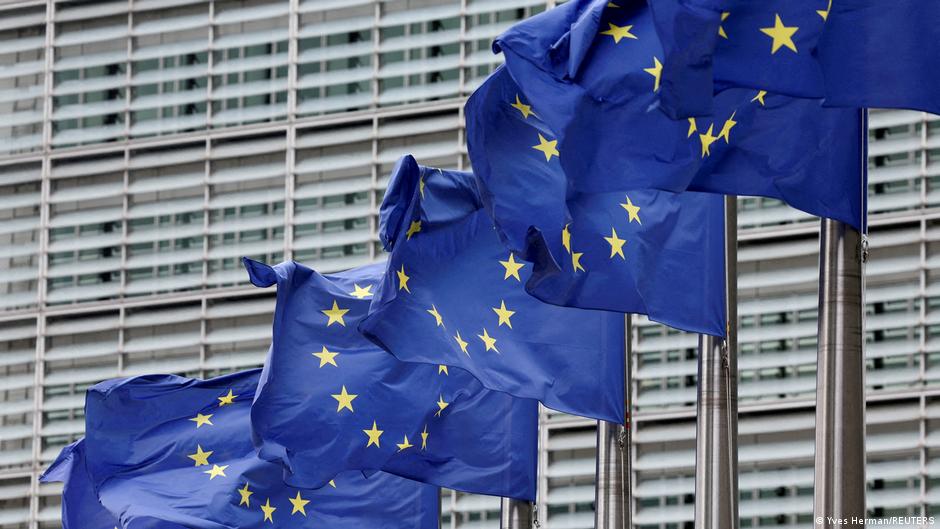
The European Union (EU) unveiled a new policy plan called the “democracy shield” aimed at combatting foreign interference and disinformation online. Key components include establishing a center for “democratic resilience,” funding independent fact-checkers in multiple EU languages, and collaborating with tech companies to improve response protocols for disinformation campaigns.
EU officials, including Commissioner Michael McGrath, highlighted the threats posed by authoritarian regimes, particularly referencing Russia’s manipulation of information and electoral processes. The initiative also extends to prospective EU members like Ukraine and Moldova, which are increasingly vulnerable to foreign meddling.
However, experts criticize the largely voluntary nature of these measures, expressing concerns that without mandatory participation from EU countries, effectiveness may be limited. Policy analyst Luise Quaritsch pointed out that the current approach—debunking disinformation after it has already spread—may be too late to make a significant impact.
The EU’s effort seeks to ensure freedom of expression while avoiding new legal obligations on tech companies. Attention also fell on X (formerly Twitter), which withdrew from EU anti-disinformation measures and is under investigation for potential breaches of EU law. Critics call for stronger actions to regulate online platforms’ algorithms to safeguard democracy and promote trustworthy news sources.
