


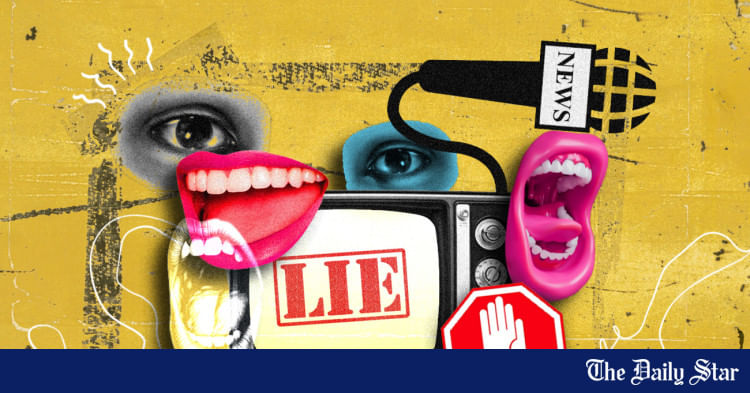
The article discusses the growing threat of disinformation to democratic governance worldwide, particularly highlighted in the UN’s 2024 Global Risk Report. It claims that social media algorithms prioritize provocative content for profit, exacerbating polarization and creating echo chambers. False political news spreads faster than factual news, aided by advancements in AI, which have facilitated the production of misleading content, including AI-generated fake news sites.
Countries like Russia are noted for using disinformation as a geopolitical tool, targeting democratic processes such as the 2024 U.S. election. Meta’s decision to replace its fact-checking program with a crowd-sourced model raises concerns about narrative manipulation by organized groups.
The article calls for systemic and global responses to digital safety, suggesting reforms similar to the EU’s Digital Services Act (DSA) to hold tech companies accountable. Additionally, it emphasizes the importance of strong digital literacy programs to prepare the public for encountering manipulative narratives. The author argues that protecting democracy against disinformation requires collective action from governments, the private sector, and individuals.
