



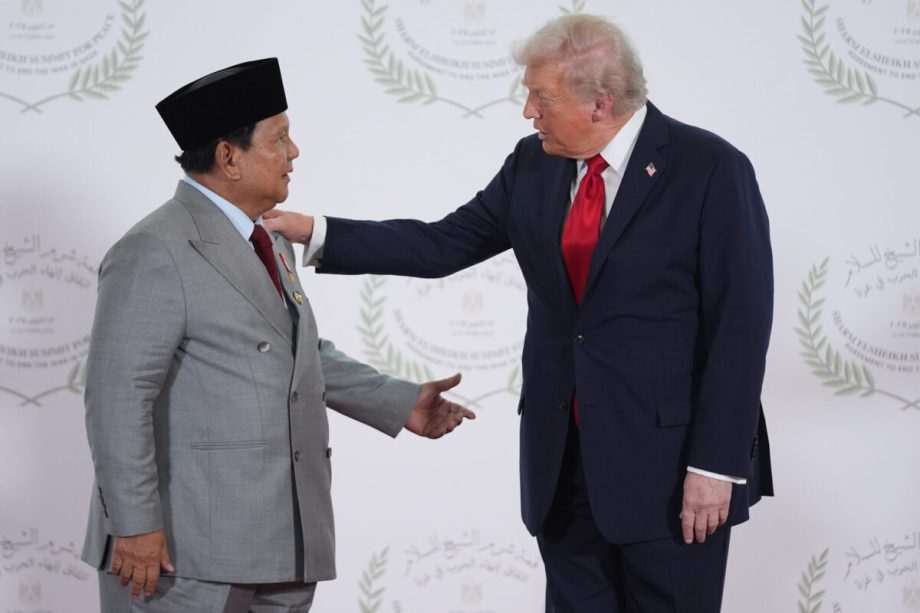
Indonesia is currently the target of a sophisticated Israeli disinformation campaign designed to alter global perceptions of its stance on Israel and Palestine. The strategy involves amplifying diplomatic ambiguity, manipulating perceptions, and suggesting that normalization with Israel is imminent, despite unresolved justice issues.
In September 2025, a controversial billboard in Tel Aviv depicted Indonesian President Prabowo Subianto alongside other international leaders, promoting a regional peace plan. This alarmed many Indonesians who feared it indicated a shift in Jakarta’s commitment to Palestinian rights. The Foreign Ministry quickly clarified that the billboard did not reflect official policy, reaffirming their stance that recognition of Israel hinges on Palestinian sovereignty.
The disinformation intensified when The Times of Israel suggested Prabowo planned a state visit to Tel Aviv, which Jakarta promptly denied, insisting that any recognition requires guarantees for Palestinians’ rights and self-determination.
Prabowo’s statements at the United Nations, where he reiterated support for Palestinian rights while indicating openness to recognizing Israel, were exploited for misinterpretation. This ambiguity fueled narratives suggesting Indonesia was moving toward normalization with Israel, risking global solidarity with Palestinians.
The threat of disinformation is amplified by internal ambiguity, as even careful diplomatic language can be twisted. Indonesia must adopt clearer messaging to prevent misrepresentation and ensure public statements emphasize that recognition of Israel will only occur alongside full equality and justice for Palestinians.
Civil society, religious institutions, and media also play a crucial role in combating disinformation. Increased public awareness and precise communication can fortify Indonesia’s moral authority and narrative control.
The overarching lesson is that disinformation campaigns will persist, aiming to make normalization appear inevitable while justice for Palestinians remains unaddressed. Indonesia must tackle this challenge with clarity and vigilance to defend its legacy of solidarity with the oppressed and uphold truth and justice in its international stance.
