



The article discusses the rise of AI-generated disinformation, highlighting how advancements in technology make it easier to create and spread misleading content, including deepfakes and manipulated audio. This surge poses challenges in discerning real from fake information, as even sophisticated AI systems can now generate content that appears original but still relies on training data.
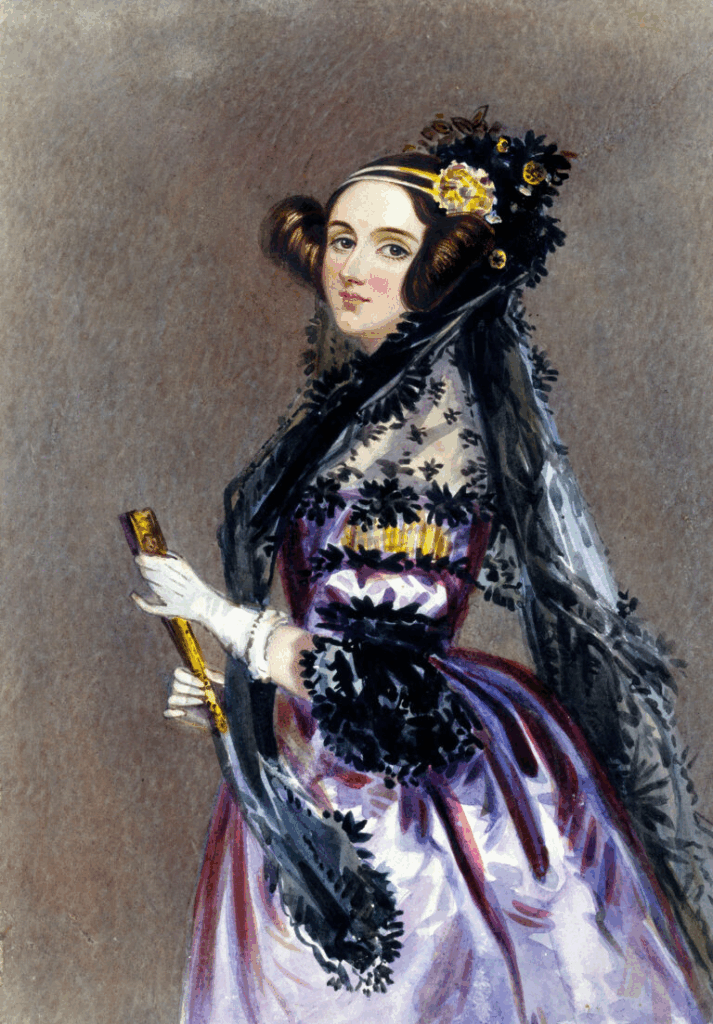
Ada Lovelace’s notion of intelligence is referenced, emphasizing that true creation must be original rather than derivative. Despite generative AI seemingly passing her “Lovelace Test” by producing what looks like original work, it still lacks true understanding and context, confirming that it cannot form opinions.
Examples of AI-generated disinformation include a deepfake video of Trump making incendiary remarks, which he never actually made. The article provides tips for identifying deepfakes and AI-generated audio, like watching lip movements and voice quality.
Ultimately, it encourages a skeptical approach to consuming information on social media and advises verifying sources, questioning the motives behind shared content, and checking multiple news outlets for accuracy. The report is part of a broader examination of American democracy.
