


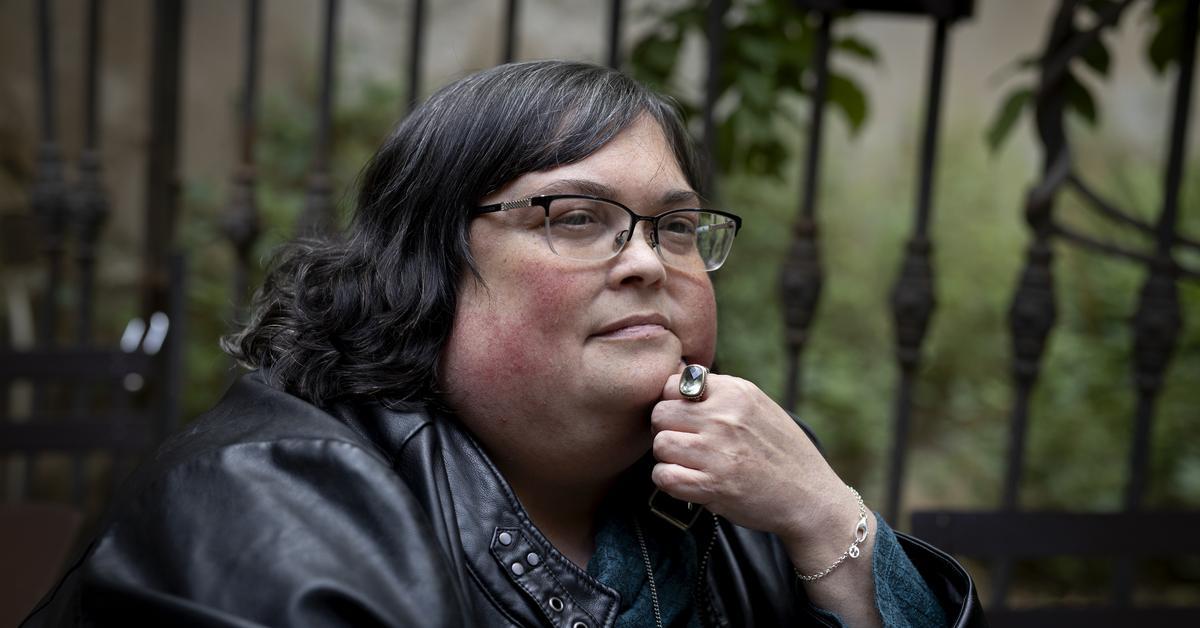
Joan Donovan, an academic at Harvard, faced significant backlash after investigating Facebook’s impact on democracy, particularly following a major document leak by whistleblower Frances Haugen. Despite receiving a substantial donation from the Zuckerbergs to Harvard, Donovan’s project was abruptly canceled, leading to her departure from the university. She originally planned to publish critical findings on Facebook’s methods, which included knowledge of marketing to children and the radicalization effects of its algorithms.
Despite Harvard’s claim that she wasn’t fired but rather offered a different position, Donovan argues that her contract was effectively terminated a year early. She highlights the increasing pressure on researchers studying disinformation and the relationship between tech companies and academic institutions, asserting that many in her field have lost funding or positions due to corporate interests.
In her perspective, social media platforms should be regulated as advertising systems, with greater transparency about user identities and data use. She emphasizes that anonymity often serves as a shield for misuse rather than a guarantee of free expression. Donovan expresses concern over the rise of neo-authoritarian politicians leveraging social media, noting the harassment campaigns that often accompany their online presence.
She calls for a reevaluation of the role of politicians on these platforms, suggesting that eliminating their presence could foster a healthier discourse. Through her experiences, Donovan illustrates the precarious balance between academic freedom, corporate interests, and the urgent need for regulatory oversight in the social media landscape.
