



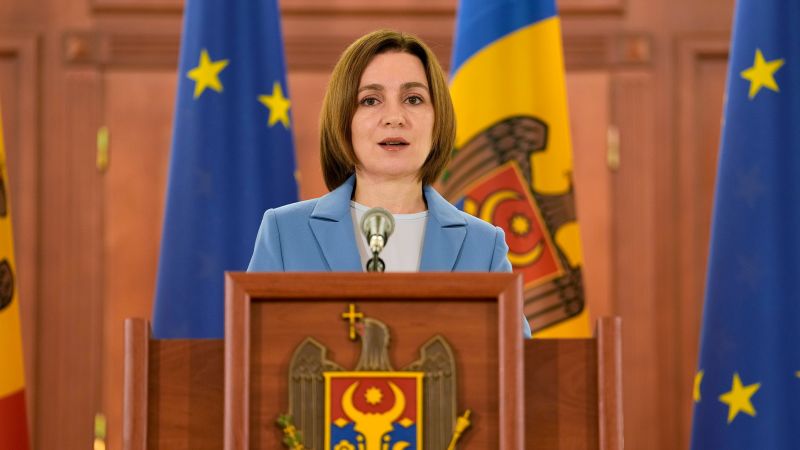
In Moldova’s recent parliamentary elections, the pro-European Party of Action and Solidarity (PAS) achieved a significant victory against the pro-Russian Patriotic Bloc, securing just over 50% of the vote. Despite a lower margin than in previous elections, this win indicates Moldova’s commitment to joining the European Union amidst heavy Russian interference and disinformation campaigns aimed at destabilizing the country.
The elections were seen as a critical test for European resilience against Russian influence, especially given the backdrop of protests over inflation and energy prices. European leaders like Polish Prime Minister Donald Tusk praised Moldova for resisting Russian attempts at control. The EU is aiding Moldova with over $2 billion planned between 2025-2027 to bolster its energy independence and combat Russian disinformation.
Efforts include an EU Hybrid Rapid Response Team to counter foreign interference and a regional hub to tackle disinformation. The Moldovan government has taken strong steps against pro-Russian elements, recently detaining individuals linked to conspiracies aimed at unrest.
Despite the PAS win, Russian influence is expected to persist, as documented by a secret FSB strategy focusing on destabilizing Moldova and countering European ties. Nonetheless, there’s a significant pro-European sentiment among younger Moldovans and the diaspora, suggesting a shift away from Russian alignment in favor of European integration, similar to trends in Ukraine and Georgia.
