


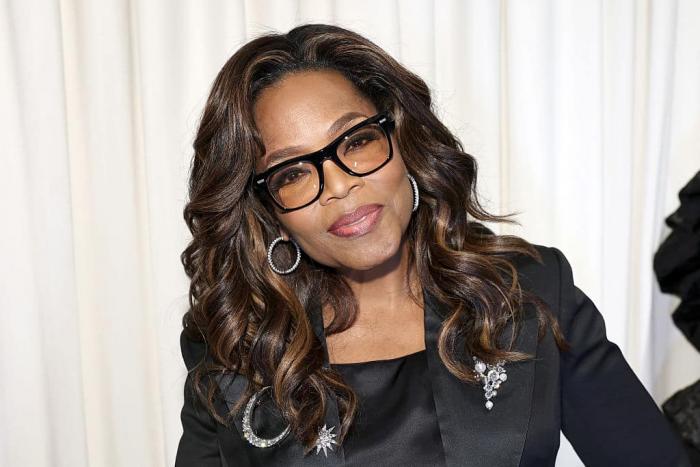
This week, the New York Times reported on venture capitalist Amy Griffin’s memoir, The Tell, which explores her trauma and recovery through MDMA therapy. Released in March 2025, the book became a bestseller, boosted by endorsements from celebrities like Oprah Winfrey. The investigation cast doubt on the scientific validity of using MDMA to recover repressed memories and suggested that Griffin may have incorporated another woman’s traumatic experiences into her narrative.
The article critiques Oprah Winfrey’s long history of amplifying dubious wellness claims and pseudoscience through her platform, emphasizing her influence on public perception of alternative therapies. Winfrey’s endorsements have historically provided a megaphone for anti-science narratives, impacting audiences’ choices in health and wellness, including support for figures like Jenny McCarthy and Dr. Oz, whose advice has often lacked solid evidence.
Winfrey’s approach has helped normalize anti-intellectualism by elevating non-experts, framing them as relatable voices for personal empowerment. This pattern has encouraged the proliferation of pseudoscience and quackery, blurring the lines between authentic health information and harmful misinformation.
The article asserts that while many are drawn to alternative narratives due to distrust of corporatized healthcare, this often leads to exploitation by unscrupulous figures. It underscores the need for critical thinking in health decisions, especially as anti-vaxx and anti-science movements gain traction. Although Winfrey is not solely responsible for this trend, her enduring popularity continues to shape public discourse on wellness, often disregarding the consequences of promoting misleading information.
