



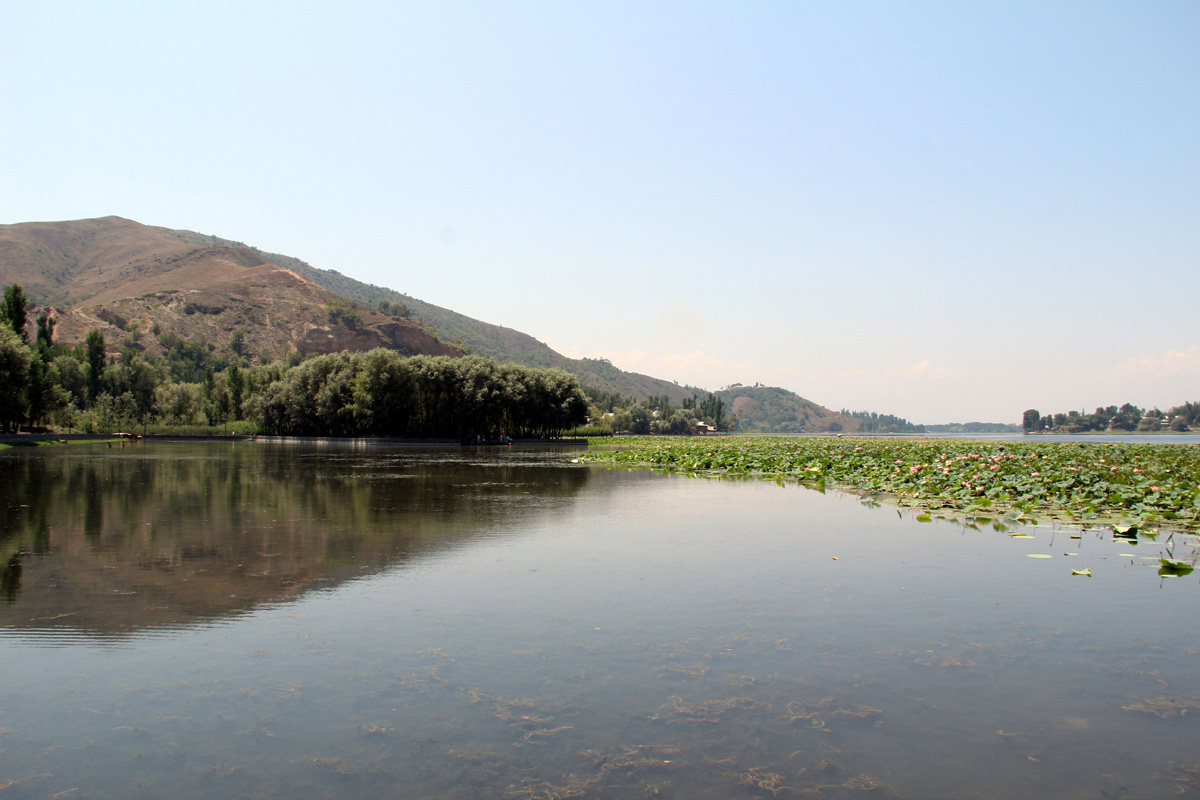
Manasbal Lake, once regarded as the “jewel of Kashmir’s lakes,” is now in a state of severe ecological distress, largely due to pollution, administrative neglect, and human activities. Situated in the Ganderbal district and surrounded by villages, the lake faces eutrophication driven by untreated sewage and agricultural runoff, especially from the Kondabal area. This deterioration coincides with rising health issues in the region, including increased cancer rates, prompting urgent investigation into the impact of environmental pollution on public health.
The construction of a sewage treatment plant, initiated nearly a decade ago, is crucial for restoring the lake, but its completion needs to be expedited. Additionally, the Kondabal community, which significantly impacts the lake through waste discharge, must be relocated for both environmental and humanitarian reasons.
While infrastructural developments around the lake aim to enhance visitor experience, they can only be effective if the lake’s health is prioritized. The Lar irrigation canal, which poorly manages its water flow into Manasbal, continues to exacerbate pollution levels, raising a pressing water security and health crisis for local communities reliant on this contaminated source.
Immediate actions are essential, including appointing a dedicated CEO for the Manasbal Development Authority, completing the sewage treatment project, relocating Kondabal residents, and managing pollution sources. The restoration of Manasbal Lake is critical for preserving Kashmir’s natural heritage, protecting public health, and ensuring sustainable future development. Delaying action would lead to further ecological and environmental destruction, putting the lake’s survival at significant risk.
