



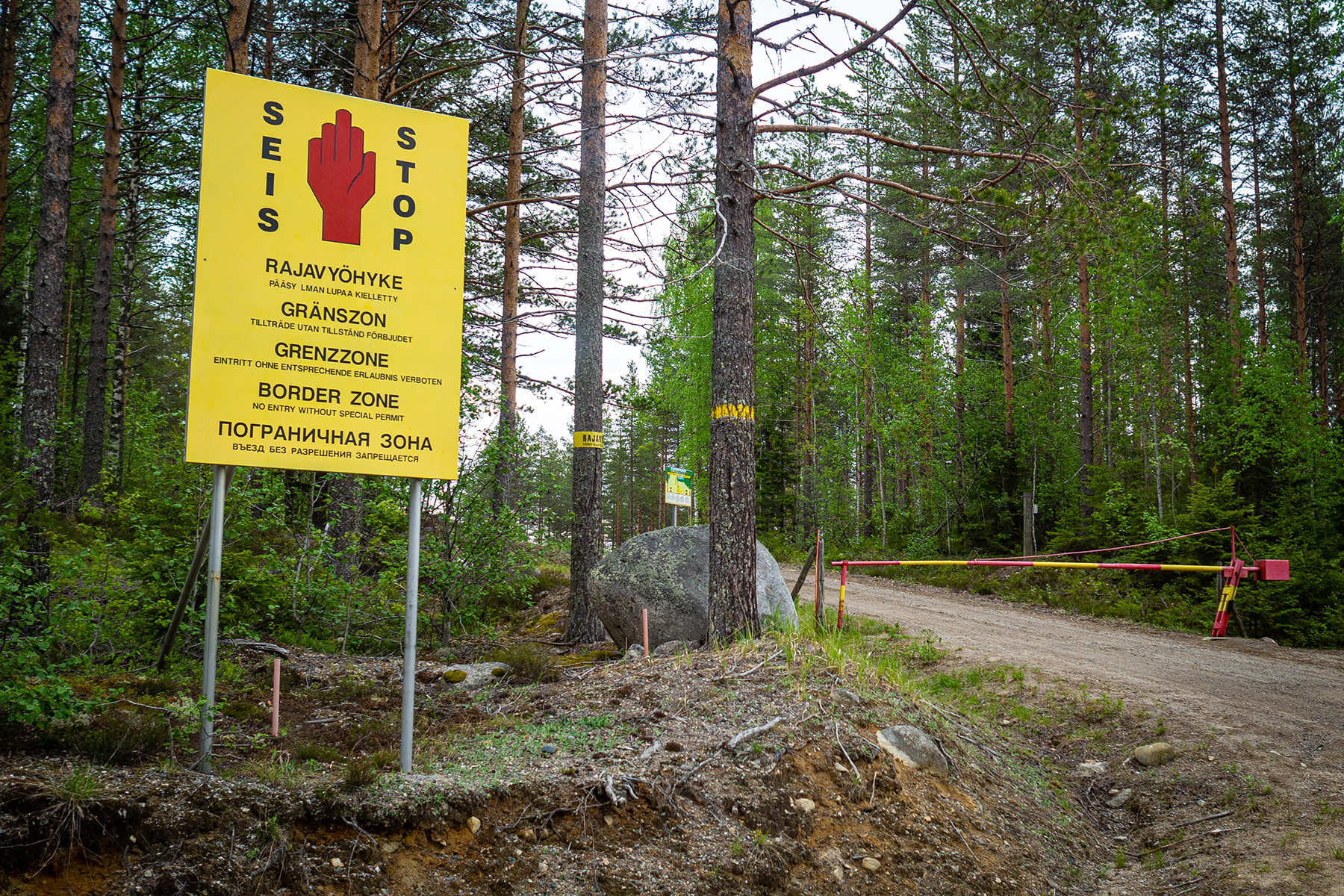
The Kremlin has ramped up its rhetoric against Finland, accusing it of genocide, Nazism, and expansionist aims, reminiscent of the justifications used by Putin prior to military actions in Crimea and Ukraine. Analysts from the Institute for the Study of War (ISW) argue that this hostile messaging is part of a broader strategy to legitimize potential aggression against NATO members under the pretext of “self-defense.”
Notable figures, including former Russian president Dmitry Medvedev, have issued inflammatory claims about Finland’s historical ties with Nazi Germany and alleged territorial ambitions. These narratives echo past Kremlin propaganda regarding Ukraine, utilizing disinformation and historical distortion to foster support for military escalation.
Finland’s NATO membership, achieved in April 2023, has heightened the stakes given its long border with Russia. While direct military action would invoke NATO’s Article 5, Russia has opted for hybrid tactics like misinformation campaigns and economic pressure. This rhetoric aims to delegitimize Finland’s NATO entry and justify any future military intervention.
Concerns have emerged, especially from communities in the U.S., that the Kremlin’s approach toward Finland reflects a recycled strategy that could extend to other NATO countries. Analysts warn that Russia’s disinformation efforts are aimed at psychologically conditioning both domestic and international audiences, potentially leading to aggression if left unchallenged.
Despite Finland’s NATO alliance providing a buffer, Russia’s strategy might include cyberattacks and border provocations to undermine political stability. U.S. policymakers are being alerted to these developments, emphasizing the importance of readiness against hybrid threats. The ISW’s report concludes that Russia’s disinformation efforts are not merely reactive, but rather a preparatory step for future military actions.
