


Summary:
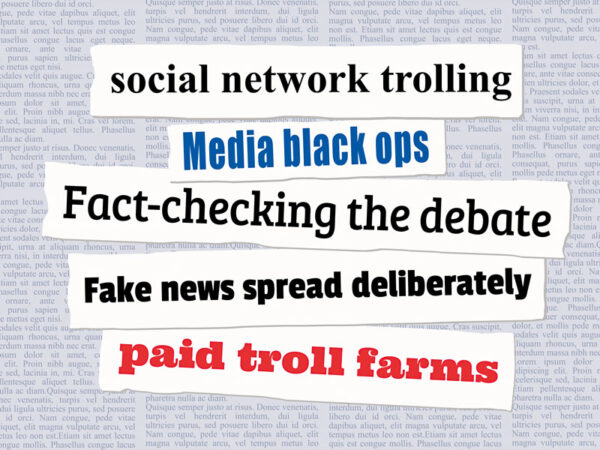
Recently, the threat of deliberate misinformation campaigns has escalated, posing significant risks to companies’ reputations and financial stability. Misinformation can lead to rapid declines in share value, consumer boycotts, and a loss of public trust. The World Economic Forum highlights this trend as a major short-term risk, particularly for industries like biotech, where false narratives about safety can stifle growth.
Legal protections for companies pursuing defamation claims are limited, making it challenging to counter misinformation effectively. High-profile examples, such as backlash against New Balance and Eli Lilly due to false claims, illustrate the potential damage.
Experts suggest that companies must proactively monitor and address misinformation, particularly on alternative social media platforms where falsehoods often gain traction before reaching mainstream outlets. This includes building strong communication channels and communities of support, engaging with trusted entities, and utilizing AI and cyber threat intelligence tools for early detection of emerging threats.
Overall, while misinformation has always been a concern, its impact is now more acute due to the rapid spread facilitated by digital platforms. Companies must prioritize proactive strategies to safeguard their reputation amidst this evolving landscape of misinformation.
